
Last updated October 30, 2026
 Home additions & ADU
 Kitchen remodeling
 Bathroom remodeling
 Roofing
 Windows & doors
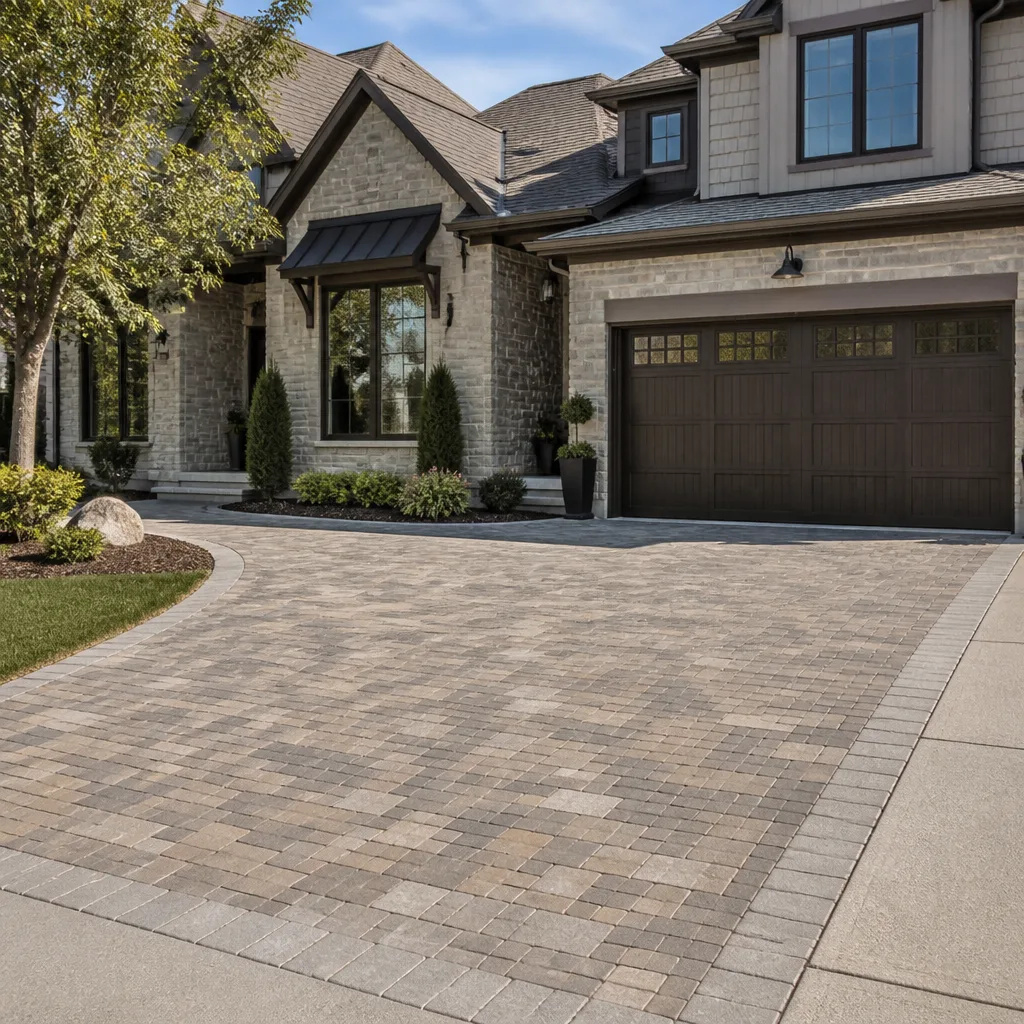 Driveway & pavers
 Fence
Free written scope consultation - allowances, timeline, and change-order rules on paper before a single trade is scheduled
DIY vs Professional Construction: The Victorville Homeowner’s Decision Guide
Here’s a counterintuitive fact about Victorville home improvement: the most expensive DIY projects aren’t the ones that fail visibly. They’re the ones that fail silently, inside walls, under roofs, and behind stucco, where High Desert heat and wind expose every shortcut. A homeowner who tiles their own bathroom and gets the waterproofing wrong won’t see the damage for eighteen months. By then, the subfloor is compromised, mold has set in, and the repair costs triple what the original tile job saved. This guide gives you a clear framework for deciding what to tackle yourself in Victorville and what to hand to a licensed contractor. You’ll learn which projects California law prohibits you from doing regardless of skill, which High Desert conditions punish DIY work hardest, and how to structure your project so you save money without creating liability.
Quick Answer
DIY makes sense in Victorville for cosmetic, non-permitted work like painting, trim, and finish carpentry. It makes no sense for structural, electrical, plumbing, or roofing work, where California licensing law, San Bernardino County permit requirements, and High Desert climate conditions stack the risk against you. The right framework isn’t skill versus cost; it’s whether the project touches a regulated system, a weather-exposed surface, or a resale-sensitive component. If it touches any of those three, hire a licensed general contractor who carries the permit, the liability, and the manufacturer relationships to get it right.
Styles & brands we work with
Table of Contents
- What California Law Says You Cannot DIY
- High Desert Risks That Punish DIY Work
- The True Cost of DIY: Permits, Re-work, and Insurance Gaps
- The Four-Variable Decision Matrix
- What to DIY Strategically Alongside a Contractor
- Victorville and San Bernardino County Permits: What Triggers Them
- Material Selection: Where DIYers Get Burned
- What Shows Up on a Home Inspection
What California Law Says You Cannot DIY
California Business and Professions Code Section 7048 is unambiguous: any project valued at $500 or more in labor and materials requires a contractor’s license, and certain work is off-limits to unlicensed persons at any dollar amount. This isn’t about protecting trade guilds. It’s about the fact that unpermitted electrical work causes fires, unpermitted plumbing work causes leaks, and unpermitted structural changes cause failures. In Victorville, where many homes were built during the 1980s and 1990s High Desert boom and are now entering their third and fourth decade, the margin for error shrinks with every year of age on the framing and wiring.
The restricted trades break into four categories:
- Electrical work beyond replacing a fixture or outlet faceplate. Any panel upgrade, circuit addition, or rewiring requires a licensed electrical contractor and a permit. Your homeowner’s insurance policy contains language that specifically excludes coverage for damage caused by unpermitted electrical work.
- Plumbing work beyond swapping a faucet or toilet. Relocating supply lines, adding a bathroom, or installing a tankless water heater means permits, inspections, and licensed labor.
- HVAC work of any kind involving refrigerant. The EPA requires Section 608 certification to handle refrigerant, and unlicensed HVAC work voids manufacturer warranties on equipment.
- Structural work: removing walls, cutting roof rafters, changing window openings, or adding a second story. An unpermitted structural change is a material defect that follows the property through every future sale and refinance.
We’ve walked into Victorville homes where a previous owner’s DIY panel upgrade was still live and functioning, and the current owner had no idea it was never inspected. The problem doesn’t show up until a claim is filed or a refinance appraisal is ordered. Then it becomes a five-figure problem. A licensed Stallion Contractors home remodel carries permits, inspections, and a paper trail that protects the homeowner from exactly that scenario.
High Desert Risks That Punish DIY Work
Victorville’s climate is not San Diego’s climate. Anyone who has spent a July afternoon here knows the sun hits differently. What DIYers often don’t account for is how that sun, combined with the summer heat and fall winds, ages materials faster here than in coastal markets. Products rated for “California weather” are usually tested against coastal conditions, not 105-degree summers and 40-degree winter nights with 3% humidity.
Three High Desert conditions create outsized risk for DIY projects:
- Attic temperatures. A Victorville attic in August can reach 150 degrees or more. This isn’t just uncomfortable; it’s dangerous for anyone working up there, and it degrades certain materials, especially sealants, adhesives, and insulation, far faster than their labels suggest. Professional roofing and HVAC crews work in the early morning hours to avoid the worst of it, and they know which materials retain integrity under repeated thermal cycling.
- UV exposure on exterior sealants. The desert sun breaks down standard silicone and latex caulks in a fraction of their rated lifespan. Contractors who work regularly in the High Desert specify UV-stable sealants, typically polyurethane or hybrid products, for windows, doors, and siding. A DIYer buying whatever the home center stocks is likely installing a product that will crack and fail within two or three seasons. For exterior envelope work, James Hardie fiber cement siding and proper flashing details matter more in Victorville than they do in milder climates, because the sun finds every gap.
- Caliche excavation. Victorville sits on layers of caliche, a hardened calcium carbonate deposit that reads as rock. DIY paver patios and fence post holes hit caliche at shallow depths in many neighborhoods, including areas off Bear Valley Road and around Spring Valley Lake. Jackhammers and breaker bars become necessary, and hand-digging becomes a multi-weekend ordeal. Professional crews bring the equipment and the knowledge of how deep the caliche runs in specific parts of Victorville, which changes the cost and the approach to any excavation project.
These aren’t hypotheticals. A homeowner who installed their own siding in Victorville without accounting for UV degradation will see sealant failure around windows within two years, and water intrusion follows close behind. A homeowner who tries to dig post holes for a fence without knowing caliche is present will burn weekends and still end up calling a contractor. We’ve seen the pattern repeat across High Desert neighborhoods.
The True Cost of DIY: Permits, Re-work, and Insurance Gaps
Every DIY-versus-hire conversation starts with the bid versus the material cost. It should start with the total cost of failure. In Victorville’s real estate market, where many homes sit on larger lots and buyers run home inspections carefully because of the region’s weather exposure, the hidden costs of DIY errors surface quickly.
Here’s what DIY actually costs when it goes wrong:
- Permit violation penalties. San Bernardino County enforces permit requirements through its building and safety division. Unpermitted work discovered during a later permitted project triggers a stop-work order, permit fees double as a penalty, and in some cases the unpermitted portion must be opened up, inspected, and rebuilt to code.
- Insurance claim denial. Homeowner’s policies in California contain exclusions for damage caused by unpermitted work, especially electrical and plumbing. If a DIY electrical splice fails and causes a fire, the carrier can and often does deny the claim. The homeowner eats the damage, the cost of code-compliant repair, and potentially the loss of their policy.
- Resale disclosure. California law requires sellers to disclose known unpermitted work. Even if the seller fails to disclose, a buyer’s inspector will find the work, and the deal will reprice or die. A $4,000 DIY bathroom that was never permitted can cost $30,000 in repair or price reduction when the next buyer’s lender demands permits.
- Re-work costs. The most common DIY failure in Victorville isn’t catastrophic; it’s just wrong enough to need professional correction. A shower pan that slopes the wrong way. A patio that drains toward the foundation. A tile job that looks fine for a year and then cracks because backer board was omitted. The homeowner pays for materials twice, pays for the pro once, and loses the time they spent doing it themselves.
When you compare these risks to a contractor’s bid, the math shifts. A licensed general contractor carries the permit, coordinates inspections, manages the liability, and stands behind the work. The bid includes the cost of doing it right the first time, without the downside tail risk. For a whole-home remodel or a kitchen renovation, that downside protection is substantial when you’re investing tens of thousands of dollars.
The Four-Variable Decision Matrix
This is the framework to use on any project you’re considering. Four variables determine whether DIY is wise: project size, trade category, permit requirement, and resale impact. Score each one, and the answer reveals itself.
- Project size. Can you finish it in two weekends with tools you already own or can rent for under $200? Painting a bedroom? Yes. Retiling a bathroom? Probably not, once you factor in waterproofing, subfloor prep, and fixture reset.
- Trade category. Does the work touch electrical, plumbing, HVAC, or structure? If yes, California law says the decision is already made. A homeowner can legally paint, install trim, lay floating flooring, replace light fixtures, and swap faucets. They cannot run new circuits, move drains, alter framing, or replace a roof.
- Permit requirement. Does San Bernardino County or the City of Victorville require a permit for this scope? If a permit is required and you don’t pull one, you’ve created a hidden defect. Consult the County’s building division before starting any project you’re unsure about; the answer is usually available in one phone call.
- Resale impact. Will a home inspector see this work during the next sale? If the work is visible and cosmetic, minor flaws are acceptable. If the work is inside walls, under floors, or above ceilings, it needs to meet code, be documented, and be installed to a manufacturer’s specification. Anything less becomes a negotiation point against you.
Run the matrix honestly. A homeowner in Victorville who wants to paint their living room scores well on all four variables: small scope, no regulated trade, no permit, low resale impact. The same homeowner planning to add an ADU or convert their garage scores poorly on all four: large scope, multiple regulated trades, multiple permits, enormous resale impact. That project goes to a contractor with the team and the scope discipline to manage every trade, which is exactly what a full-scope home renovation partner is built for.
What to DIY Strategically Alongside a Contractor
Here’s the part most guides miss: you can do real work on your own remodel without taking on real risk. The key is to work up to the point where a permit, a trade skill, or a manufacturer warranty kicks in, then step back. You save money on the labor you can handle, and the contractor owns everything that matters.
Strategic DIY tasks that contractors are generally happy to let homeowners take on:
- Demolition. Non-structural demolition only. Pulling cabinets, removing old flooring, tearing out drywall, removing old fixtures. The homeowner saves labor cost, and the contractor arrives to a clear scope. The critical rule: never touch a wall without confirming it isn’t load-bearing, and never touch electrical or plumbing lines during demo.
- Prep work. Masking, floor protection, clearing the work area, moving furniture, and protecting landscaping. These are labor hours that would otherwise be billed, and they require no skill to do correctly.
- Painting. Interior painting is genuinely low-risk work that rewards patience and preparation. Exterior painting in Victorville is a different conversation because surface prep and UV-stable paint selection matter; but interior walls and ceilings are fair game.
- Finish carpentry. Installing baseboards, crown molding, and door trim, provided the underlying framing and walls are already correct. The precision required is learnable, and mistakes are cheap to fix.
- Minor landscaping. Planting, mulching, and small hardscape accents that don’t require excavation or drainage engineering. Large paver patios, retaining walls over three feet, and anything touching the home’s foundation drainage should stay with a contractor.
The line to respect is simple: you can do work that is reversible, cosmetic, or contained. You cannot do work that is hidden, regulated, or structural. When you hire a home remodeling contractor for the scope that matters and take on the scope you can handle yourself, you reduce project cost without creating a single dollar of liability exposure.
Victorville and San Bernardino County Permits: What Triggers Them
The City of Victorville operates its own building department and issues permits for construction within city limits. San Bernardino County handles unincorporated areas around Victorville. If your home address says Victorville, you’re pulling permits from the City. If you’re in an unincorporated county pocket, you’re dealing with the County building and safety division. The rules overlap heavily, but the process differs, and a contractor who works regularly in Victorville knows both.
Permits are typically required for:
- Any structural change: wall removal, beam installation, foundation work, roof framing.
- Electrical work beyond fixture replacement: panel upgrades, new circuits, subpanel installation.
- Plumbing work beyond fixture replacement: moving supply lines, adding drains, installating a water heater.
- Window and door replacement that changes the opening size (retrofit replacements in the same opening generally don’t need a permit).
- Roof replacement: re-roofing requires a permit and inspection in Victorville, and using a manufacturer like GAF, CertainTeed, or Owens Corning often requires certified installation to validate the warranty.
- Fencing over six feet in height, and any fence on a corner lot where sight lines are regulated.
- Accessory dwelling units: ADUs require their own permit path, and prefab ADUs from manufacturers like Abodu or Boxabl still require site permits, foundation inspections, and utility hookup permits through the City.
What surprises many Victorville homeowners is that some projects they assumed were permit-free actually require a simple permit. Replacing a water heater requires a permit. Installing a whole-house fan requires a permit and electrical inspection. Even re-piping a home requires a permit. The cost of the permit is trivial compared to the cost of discovering years later that unpermitted work is now a sales obstacle.
We advise every homeowner to treat the permit as a feature, not a formality. A permitted, inspected project means the City’s inspector verified the work against current building codes. That inspection record travels with the property and becomes an asset at resale. It’s one of the reasons we recommend a full-scope general contractor for any project that crosses trade lines: the permit is coordinated once, inspections are scheduled together, and nothing falls through the cracks between vendors.
Material Selection: Where DIYers Get Burned
Home centers are designed to make materials look interchangeable. They aren’t. The gap between a big-box product and a trade-grade product from a manufacturer like KraftMaid for cabinetry or Wellborn for bath vanities is measurable in material thickness, hardware durability, warranty terms, and long-term performance. A DIYer saving $800 on kitchen cabinets may be buying particle-board boxes with vinyl-wrapped doors that will delaminate within five years. A homeowner working with a contractor who has direct manufacturer relationships buys plywood boxes with hardwood doors at a negotiated trade price that often narrows the retail gap significantly.
This is where the brand-partner model changes the math. A contractor who has vetted relationships with manufacturers can offer product pricing and availability that a retail shopper can’t access. For a Victorville kitchen remodel, that might mean KraftMaid cabinetry specified precisely to the space, with proper hardware loads, soft-close mechanisms ordered correctly, and delivery coordinated to meet the project schedule. For a bathroom, it might mean Wellborn vanities or Cambria quartz countertops with fabrication and templating handled by a certified fabricator rather than a homeowner’s measuring tape and hope.
Precision matters more in the High Desert because of the thermal range. Materials expand and contract across a 50-degree daily swing in spring and fall. Cheap laminate flooring gaps. Improperly accommodated countertop seams split. A professional who works with these materials daily understands the tolerances, the expansion gaps, and the installation techniques that keep things from failing. That knowledge is embedded in the material selection process, not just the install.
For exterior work, the same principle applies with even higher stakes. James Hardie fiber cement siding and trim, specified and installed to the manufacturer’s requirements, carries a 30-year non-prorated warranty. The same product installed incorrectly voids that warranty entirely. Manufacturer warranties across roofing, siding, windows, and doors all contain installation clauses that require certified or qualified installers. A contractor’s relationships with these brands aren’t a marketing convenience; they’re a warranty enforcement mechanism.
What Shows Up on a Home Inspection
Victorville’s real estate market has tightened in recent years, and buyers here are more informed about High Desert construction challenges than buyers in coastal markets. Home inspectors working in Victorville know to check for thermal expansion damage, improper flashing, unpermitted panel work, and DIY repairs that didn’t hold up to the climate. When they find issues, the purchase price adjusts accordingly.
The most common inspection findings tied to DIY work include:
- Electrical splices outside junction boxes. Classic DIY electrical error. Inspectors flag it, and lenders often require a licensed electrician to correct it before funding.
- Improper shower waterproofing. Inspectors run moisture meters on walls adjacent to showers. Failed DIY waterproofing shows up as elevated moisture readings, and the remediation is invasive.
- Siding and window flashing errors. In Victorville’s wind-driven rain events, improperly flashed windows leak. Inspectors look for weeps, kickout flashing, and sealant condition around every exterior penetration.
- Unpermitted room additions or garage conversions. San Bernardino County and City of Victorville records show permitted square footage. A converted garage that wasn’t permitted is a material defect that must be disclosed, and the square footage won’t count toward the listing.
- Roofing failures. High Desert sun ages roof coverings fast. A DIY repair that used wrong materials or methods shows up as curling, granule loss, or failed repair patches. Roofing partnerships with GAF, CertainTeed, and Owens Corning mean documented installation to manufacturer standards, which is precisely what a buyer’s inspector wants to see.
Resale impact is the quiet killer of DIY savings. A homeowner who saves $8,000 on a DIY bathroom remodel and later loses $20,000 on the sale price because of inspection findings hasn’t saved anything. The General Contractor in Colton model of pulling permits and following manufacturer installation standards exists specifically to avoid this outcome. The paper trail is part of the product.
Common Mistakes to Avoid
- Assuming skill qualifies you for regulated work. A homeowner can be exceptionally handy and still be legally prohibited from pulling permits or performing electrical, plumbing, or structural work. California law doesn’t care how skilled you are; it cares about license, permit, and inspection.
- Comparing material cost to contractor bid and stopping there. The bid includes insurance, bonding, warranty, supervision, permits, equipment, and the price of doing it right. The material cost includes only the material. The real comparison is total project cost including risk, and few DIYers factor that in.
- Underestimating Victorville’s thermal and UV exposure. Products rated for mild climates fail faster here. Anything that goes outside, touches outside, or seals something outside needs High Desert-grade specification. DIY product selection seldom accounts for this.
- Not pulling permits when they’re required. Some homeowners avoid permits to save the fee and avoid property tax reassessment. That trade-off becomes catastrophic when a claim is denied, a sale collapses, or the City discovers the work during a later project.
- Mixing DIY and professional work without clear boundaries. When a homeowner does part of the prep and the contractor rest, scope disputes arise if the boundaries weren’t defined in writing. Clarify exactly what the homeowner owns and what the contractor owns before any work starts.
- Ignoring manufacturer warranty installation requirements. James Hardie siding, premium roofing systems, and engineered flooring all come with installation requirements. DIY installation voids the warranty. The warranty is worth thousands of dollars if the product fails.
- Starting a project without confirming caliche depth. In Victorville, caliche turns a simple fence or patio project into an equipment-heavy job. Homeowners who don’t know it’s there will spend a full weekend discovering ten inches down that hand tools are useless.
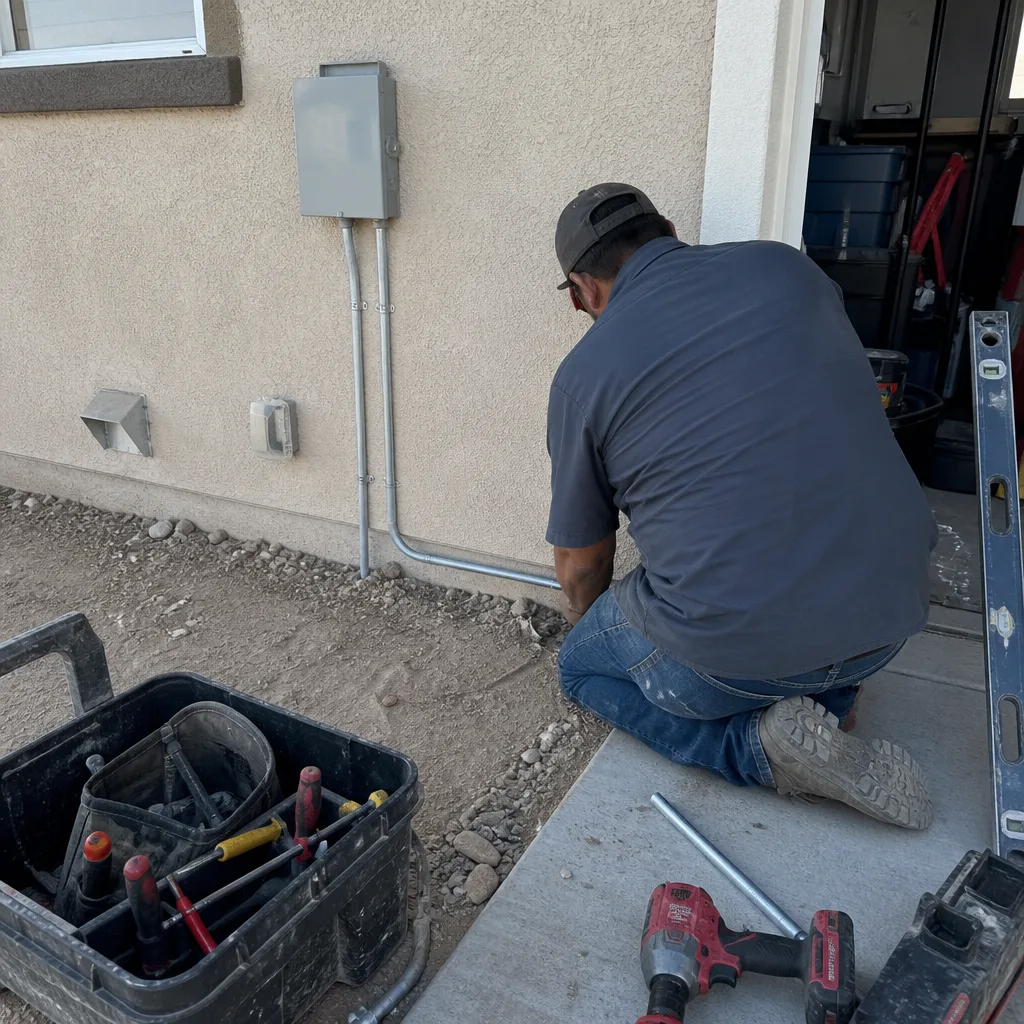
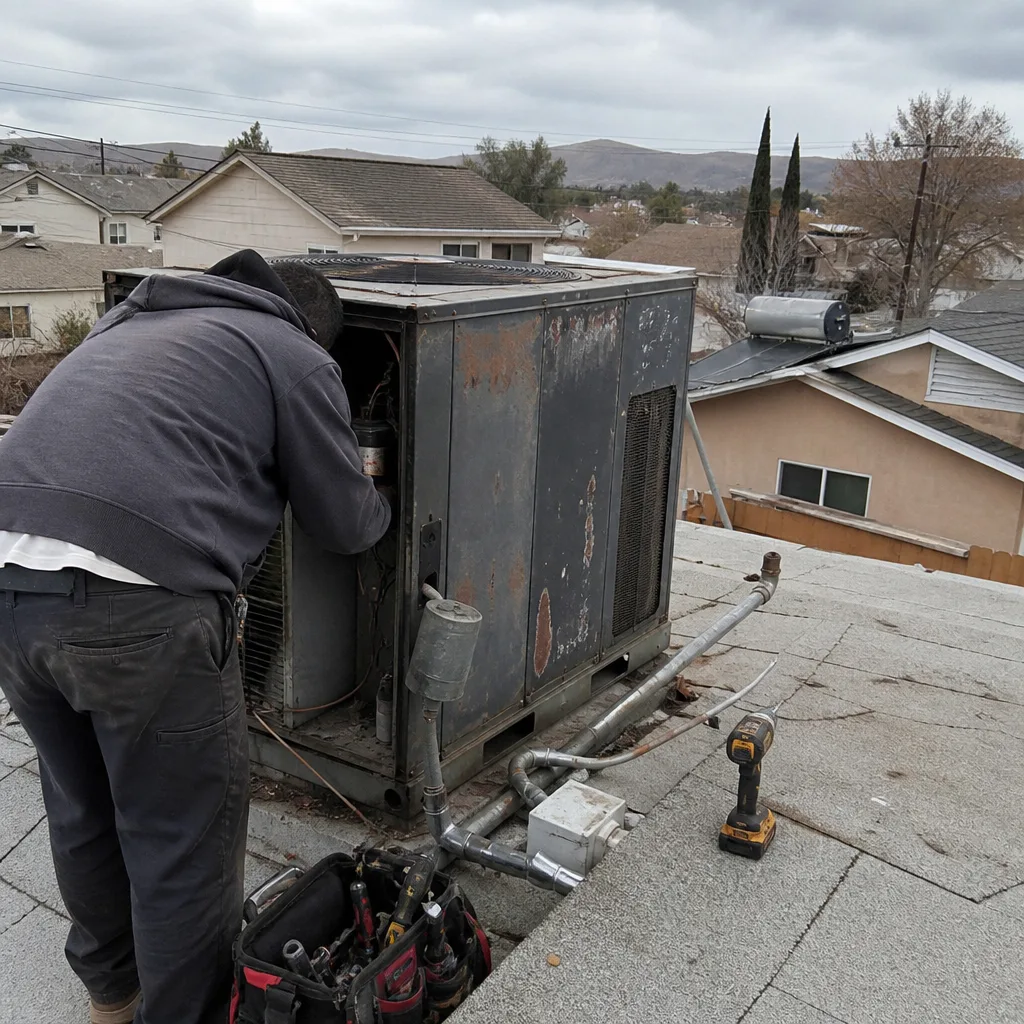
See the difference
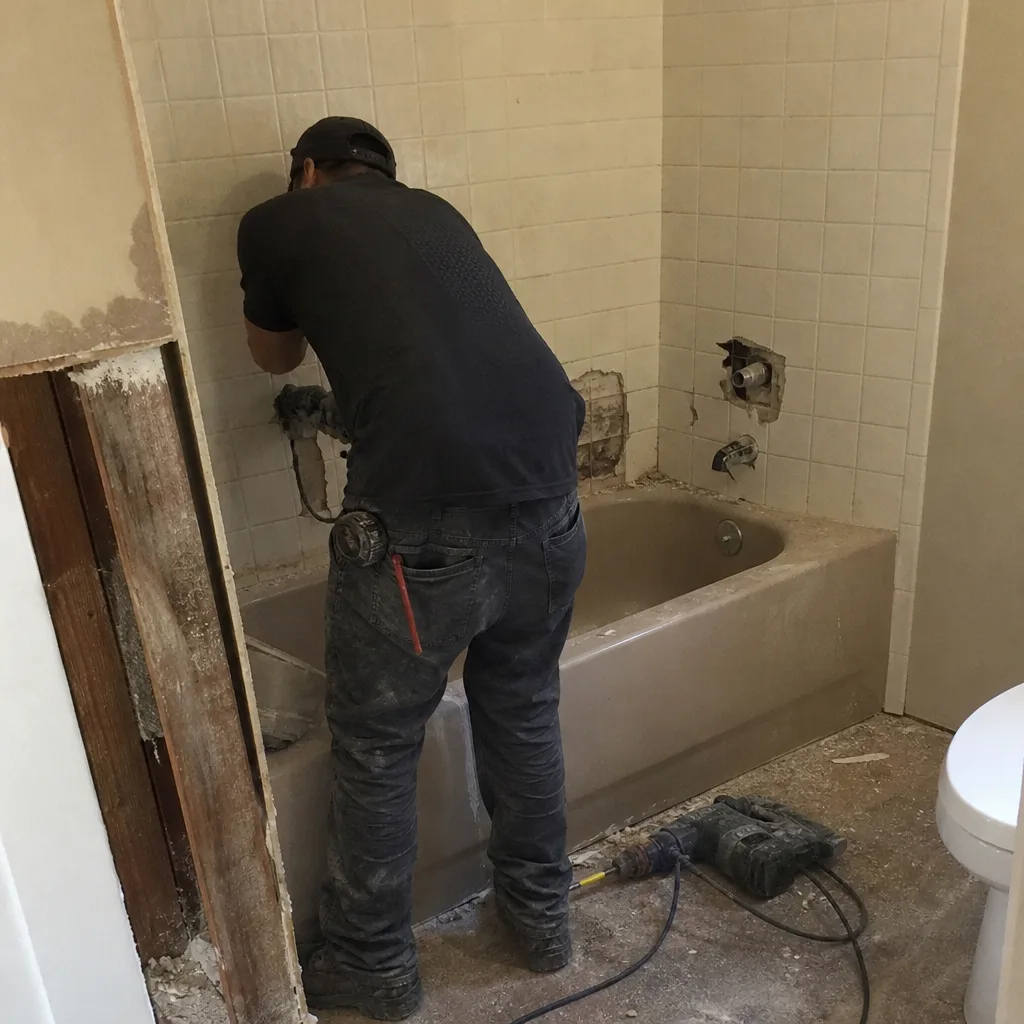 Before
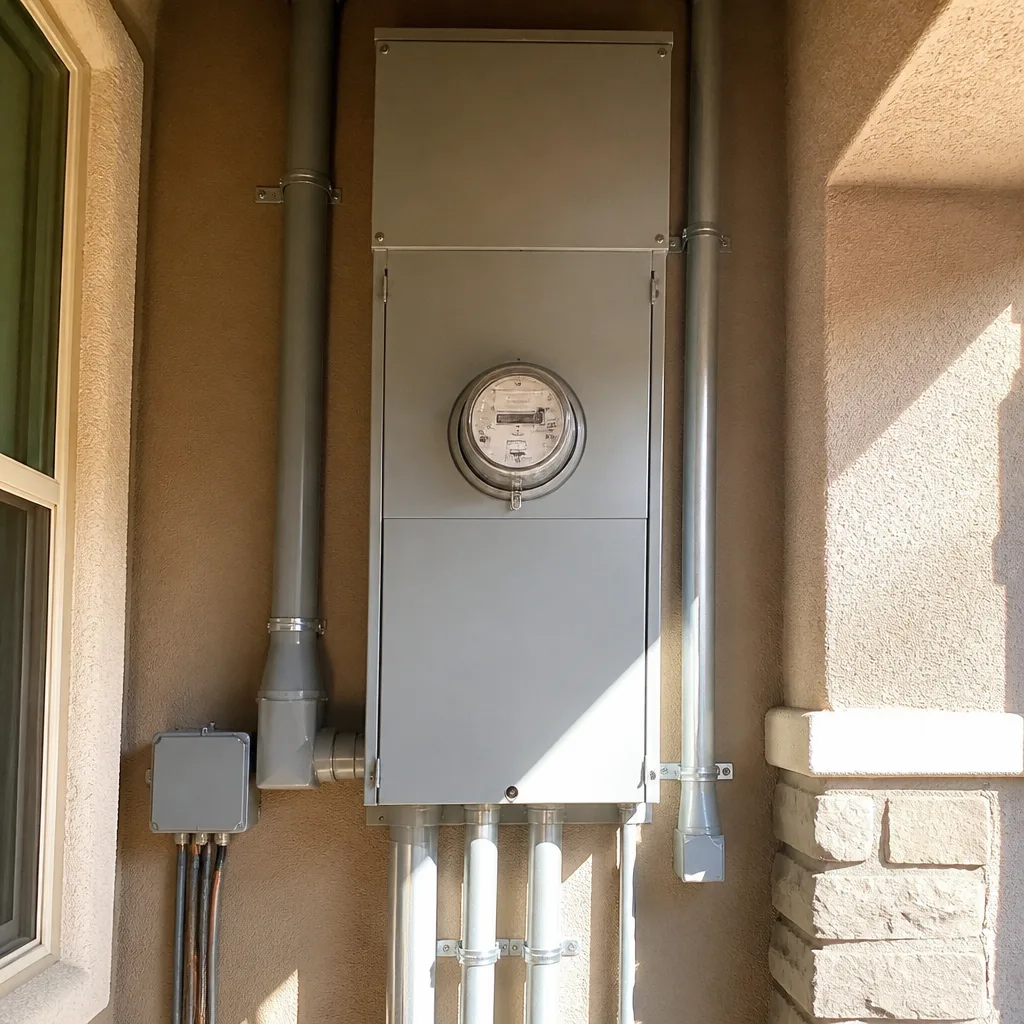 After
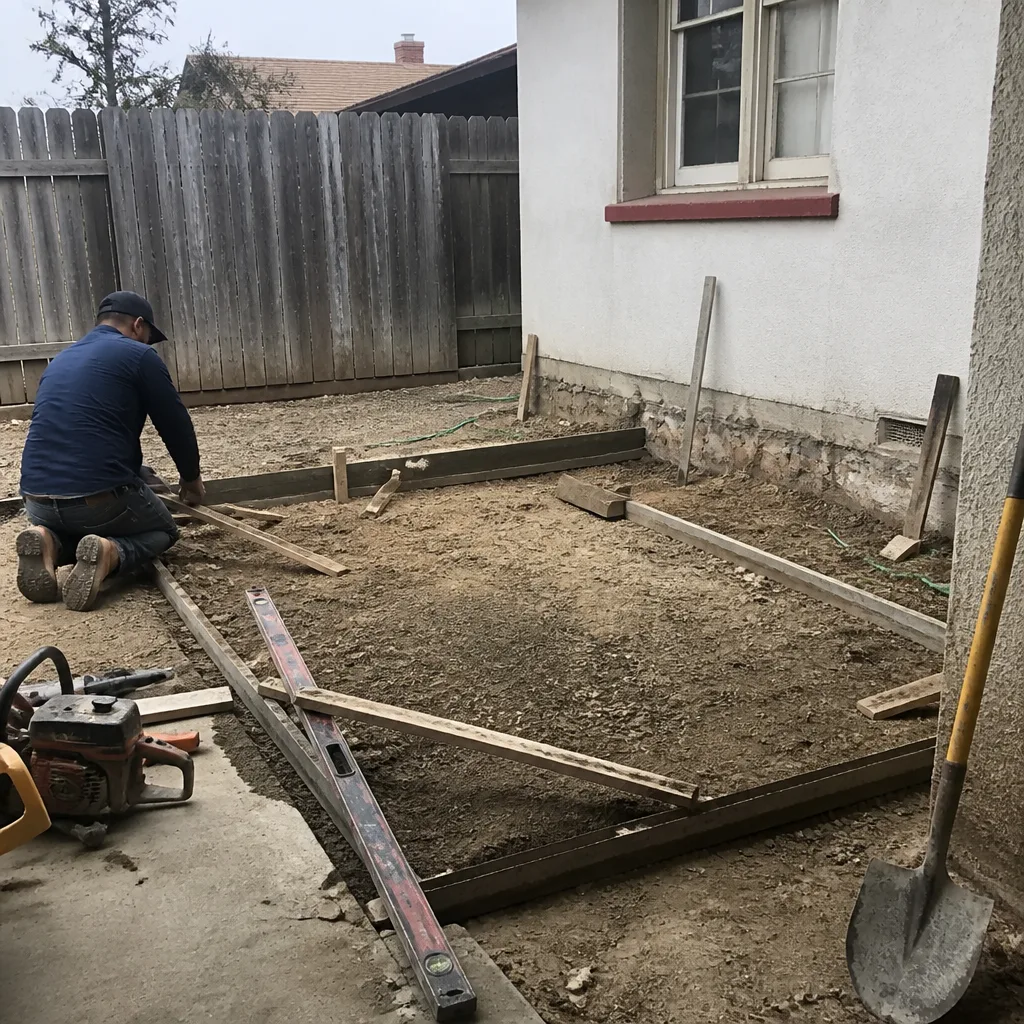 Before
 After
 Before
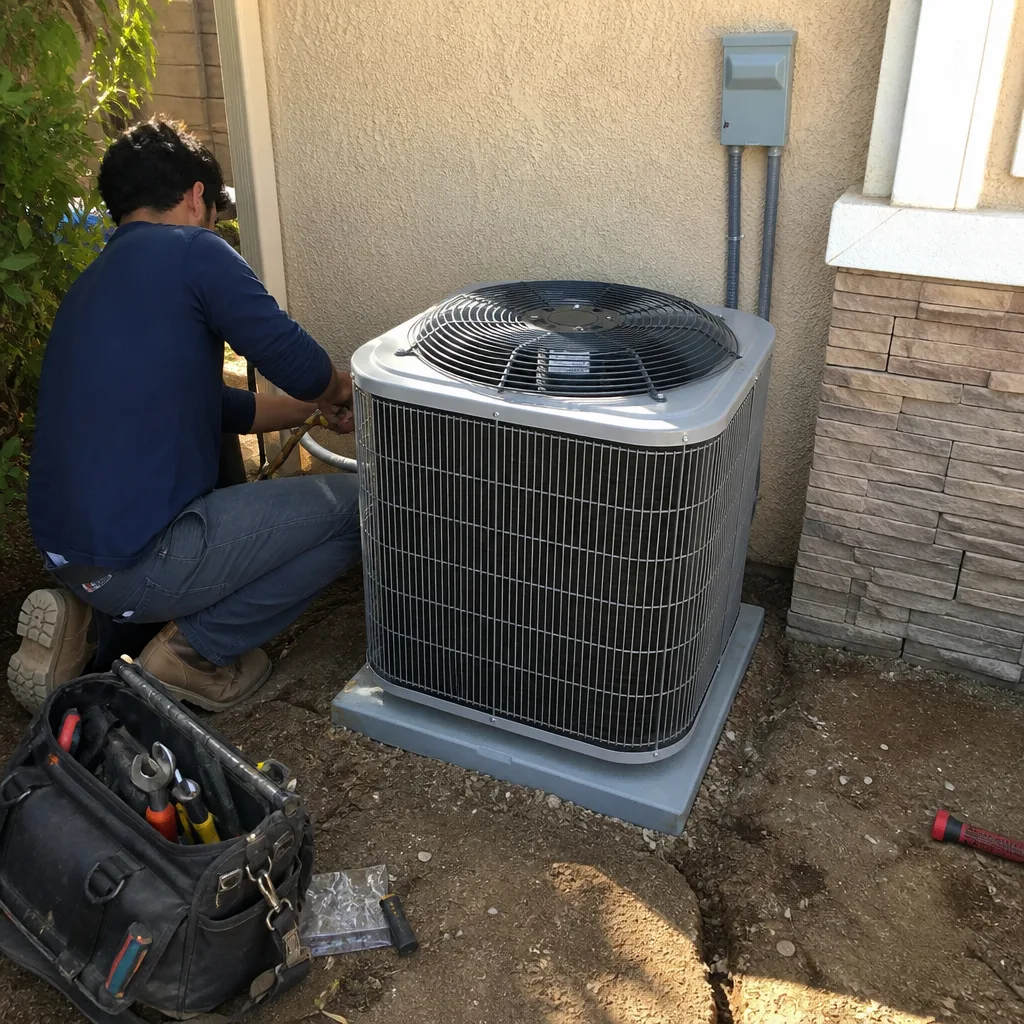 After
When to Call a Professional
Call a professional whenever the project involves a regulated trade, a permitted scope, or a structural element. In Victorville specifically, also call a professional when the project touches the building envelope (roof, siding, windows, doors), because High Desert weather exposure demands correct specification and installation, and when excavation is involved, because caliche changes everything. If your project crosses multiple trades, a full-scope general contractor keeps one contract and one point of accountability instead of forcing you to coordinate electricians, plumbers, and framers yourself. Home Remodeling in Colton and Victorville projects benefit from exactly that structure. Stallion Contractors offers free estimates in Victorville, call (855) 600-3192 to get started.
Frequently Asked Questions
A Victorville homeowner can legally perform cosmetic work like painting, flooring, trim, and fixture replacement without a contractor’s license, provided the project doesn’t involve electrical, plumbing, HVAC, or structural changes. Any work valued at $500 or more in combined labor and materials technically requires a licensed contractor under California law, and any regulated trade work is prohibited to unlicensed persons at any price point.
You need a permit if the bathroom remodel changes plumbing lines, moves electrical fixtures, relocates walls, or alters the shower enclosure waterproofing system. Cosmetic changes like replacing the vanity, re-glazing the tub, or painting do not require a permit. A licensed contractor pulls the permit, schedules inspections, and ensures the work meets current code before the walls are closed.
Unpermitted work typically costs between 10 and 30 percent of the original project cost in resale concessions, repairs, or price reductions, depending on what the buyer’s inspector finds and whether the buyer’s lender will fund the property. In some cases, a seller must bring the unpermitted work up to current code before closing, which can cost several times the original project budget.
Yes, non-structural demolition like removing cabinets, flooring, and drywall is a common way homeowners reduce project cost, provided you confirm with the contractor which walls are load-bearing and where electrical or plumbing lines run before you start. Never touch load-bearing walls, and leave all electrical and plumbing disconnection to licensed trades. For a competitive bid on the remainder of the scope, call (855) 600-3192 for a free estimate.
It can be cheaper in cash outlay and more expensive in total cost, depending on what goes wrong. A kitchen remodel touches plumbing, electrical, and cabinetry installation, and most kitchen remodels require permits. DIY kitchens commonly fail on cabinet installation precision, countertop templating, and appliance rough-in coordination, all of which are expensive to correct. A contractor with trade-grade material access like KraftMaid cabinetry and Cambria countertops often delivers better material cost and better execution than a retail DIY approach.
Check four things: whether the project requires a City of Victorville permit, whether it touches a regulated trade, whether it’s exposed to High Desert UV and thermal conditions, and whether you understand the caliche depth if you’re digging. If any of the four is unclear, call the building department or a licensed contractor before you start. For the full picture on a specific project, call (855) 600-3192 and ask for a free estimate.
The Bottom Line
The DIY-versus-hire decision in Victorville should be driven by jurisdiction, climate, and liability, not by how handy you are. Paint your own walls. Pull your own baseboards. Leave the panel, the roof, the shower waterproofing, and the load-bearing structure to a licensed contractor who carries permits, inspections, insurance, and manufacturer relationships. The cost difference is smaller than the DIY math suggests once you factor in risk, and the resale protection is worth real money in a market where every buyer runs a careful inspection. Work with a full-scope general contractor, take on the strategic DIY tasks that are genuinely yours to handle, and call (855) 600-3192 for a free estimate on the work that matters.
Written by the team at Stallion Contractors, serving Victorville since 2011.