

Last updated October 30, 2026
 Home additions & ADU
 Kitchen remodeling
 Bathroom remodeling
 Roofing
 Windows & doors
 Driveway & pavers
 Fence
Free written scope consultation - allowances, timeline, and change-order rules on paper before a single trade is scheduled
General Contractor Maintenance Checklist for Victorville Homeowners
The single most neglected maintenance item in Victorville homes isn’t the roof or the HVAC. It’s the exterior caulk. The Mojave sun degrades caulk into brittle, hairline cracks in as little as 18 months, and once that barrier fails, moisture creeps behind stucco, into window frames, and under siding before any homeowner sees visible damage. This guide walks through what actually fails first in High Desert homes, when to check it, and how to sequence maintenance so small repairs don’t become five-figure renovations. You’ll get a month-by-month checklist calibrated to Victorville’s real seasonal rhythm, not a recycled template written for coastal California.
Quick Answer
A Victorville home maintenance checklist should prioritize exterior caulk and paint, HVAC filter and duct integrity, roof inspections after high-wind events, drainage grading before monsoon season, and stucco crack monitoring during the summer heat. Most tasks fall into a seasonal rhythm: inspect January through March for winter storm damage, replace filters and check seals monthly from April through October during peak dust season, and run a full exterior audit every September before the rains arrive. The checklist below covers each system, when to inspect it, and what specific damage patterns look like in the High Desert climate.
Styles & brands we work with
Table of Contents
- January through March: Wind Damage and Winter Recovery
- April through June: Heat Preparation and Dust Control
- July through September: Monsoon Readiness and UV Monitoring
- October through December: Cooling Off and Long-Term Planning
- Quarterly Tasks That Prevent Most Major Repairs
- The HVAC System: What High Desert Dust Does Differently
- Roof Inspection: What Wind Events Leave Behind
- Common Mistakes to Avoid
- When to Call a Professional
- Frequently Asked Questions
January through March: Wind Damage and Winter Recovery
Winter in Victorville brings two things the rest of Southern California doesn’t get: sustained high winds and overnight freezes. Those paired forces create a specific damage pattern worth checking every year. The freeze-thaw cycle between 25°F nights and 60°F days pushes moisture into tiny cracks and expands it, splitting caulk lines and widening hairline stucco fractures. High winds then drive dust into those openings and stress anything loose on the exterior.
Walk the perimeter twice during this window, once in January and again in March. Here’s the inspection sequence we’ve found catches the most issues:
- Check every caulk line around windows, doors, and exterior penetrations. Look for brittleness, shrinkage, or separation. If it can be scratched off with a fingernail, it has already failed.
- Inspect fascia, soffit, and any attached gutters or downspouts. Wind-driven sand acts like sandpaper on painted metal. Loose fasteners show up here first.
- Look at roof edges and flashings from the ground. After a wind event, nails and screws on tile roofs can back out slightly. A lifted edge you couldn’t see in December may be visible in March.
- Check sprinkler heads and exterior hose bibs for freeze cracks. Even in Victorville, a hard freeze snaps plastic irrigation components.
- Test every exterior light fixture and GFCI outlet. Dust infiltration shorts outdoor electrical components faster than anything else.
Most of these fixes are straightforward when caught early. A tube of elastomeric caulk costs under $15. Replacing a section of fascia board that rotted behind failed paint is a four-figure repair. The gap between those two outcomes is often just a spring inspection.
April through June: Heat Preparation and Dust Control
By April, the daytime highs in Victorville are already pushing into the 80s, and the wind that plagued winter shifts into a steadier, dustier pattern. This is the window to prepare for the real heat that starts in June, when roof surfaces hit 150°F and every air conditioner in the High Desert runs continuously.
The maintenance focus shifts from weather damage to heat stress and airborne particulate. Here’s what to address between April and June:
- Replace or clean the HVAC filter monthly. High Desert dust clogs filters in three to four weeks, not the three months filter packaging suggests. A restricted system runs longer cycles and overheats the compressor.
- Inspect the condenser coil on the exterior AC unit. Cottonwood fluff and dust coat the fins in spring. A gentle hose-down from the inside out restores airflow that saves real energy cost.
- Check all weatherstripping on exterior doors. The cure for high cooling bills often starts at the threshold, not the thermostat.
- Inspect window screens for tears. Screens that keep out blowing dust matter more in Victorville than anywhere else in San Bernardino County.
- Run every ceiling fan and check for wobble or bearing noise. A fan running 14 hours a day all summer will fail fast if it’s already struggling in May.
This is also the time to schedule any exterior painting, caulking, or stucco repair you identified in the winter walk. You want a 10-day window with no rain and mild temperatures, and April usually delivers that in Victorville before the June heat arrives.
July through September: Monsoon Readiness and UV Monitoring
Victorville sits in an interesting weather zone. Most of the year is bone-dry Arid High Desert, but July and August often bring monsoonal moisture pushing up from the Gulf of California. When a storm cell hits flat desert terrain, the water has nowhere to go. Drainage becomes the maintenance priority, followed closely by UV monitoring on every exposed material.
The heat is punishing enough alone. A stucco wall in direct Victorville sun reaches surface temperatures above 140°F, and if the caulk or paint has any break, the repeated expansion and contraction will widen it quickly. Here’s the monsoon and peak-heat checklist:
- Walk the property during a rain event if possible. Watch where water pools against the foundation. This is the single most informative drainage check you can do all year.
- Verify downspouts and any drainage channels are clear. A downspout dumping water at the base of a stucco wall will stain, then crack, then rot the base.
- Check stucco for new hairline cracks and monitor existing ones. A crack wider than 1/8 inch after a monsoon storm needs professional attention.
- Inspect roofing for lifted tiles or shingles after any strong thunderstorm cell. Monsoon cells carry vertical wind that behaves differently from the Santa Ana pattern.
- Check exterior paint on south- and west-facing walls. This is where UV degradation shows first, often as chalking or fading within two to three years of the last paint job.
For Victorville homeowners with paver patios or walkways, monsoon season also reveals whether the base was compacted correctly. Pavers that settle or separate in September were improperly installed, and it’s better to fix them in the fall than let winter freezes worsen the shift.
October through December: Cooling Off and Long-Term Planning
October is the best month for serious exterior work in Victorville. The heat has broken, the monsoon risk has passed, and the days are still long enough for full workdays. This is when we recommend a complete exterior audit, and it’s also when smart homeowners plan next year’s larger projects and browse more guides & resources.
Here’s the fall audit sequence:
- Full roof inspection from a ladder or by a professional. After a full summer of heat cycling, tile roofs show fastener fatigue. Flashings and pipe boots dry out and crack. This is the most important roofing check of the year.
- Test every window and door seal for drafts. Winter winds in Victorville find gaps you can’t feel in October but will notice in December.
- Inspect the weather seal along the bottom of the garage door. Rodents and dust both enter through the same gap, and fall is when pests start looking for warm shelter.
- Drain and blow out irrigation lines. A single freeze burst in an above-ground valve or hose bib leads to a muddy mess and a plumbing repair.
- Clean gutters or roof valleys for accumulated desert debris. Even small amounts of sand, seed, and blown material create dams that overflow during winter rain.
This is also the planning window for next year’s remodel. If a bathroom, kitchen, or exterior project is on the calendar, starting the contractor conversation in October or November means materials arrive before the spring rush, and the project wraps before the peak summer heat settles in. The Stallion Contractors home page lays out the full scope of what one contractor can manage without stitching together three separate bids.
Quarterly Tasks That Prevent Most Major Repairs
Some things need attention every 90 days regardless of season. These are the five quarterly tasks that homeowners consistently skip, and the ones that show up most often in expensive repair calls.
- Test every GFCI outlet and AFCI breaker. High Desert dust and static electricity stress electrical components. A breaker that won’t test needs replacement, not resetting.
- Flush every drain, including floor drains, with hot water. Slow drains in Victorville are often dust and sediment accumulation, not pipe failure. Early flushing prevents clogs from solidifying.
- Check water heater for sediment, rust, or moisture around the base. Hard water is a fact of life in the High Desert, and minerals build faster than most homeowners expect.
- Walk the fence line. High winds loosen posts and pickets slowly. A quarter-inch of movement per quarter becomes a leaning fence by year two.
- Inspect the washing machine hoses and ice maker supply lines. Rubber hoses dry out and crack in desert air. Braided stainless lines fail far less often, and they’re a cheap upgrade.
The HVAC System: What High Desert Dust Does Differently
An HVAC system in Victorville works harder than the same system in Ontario or Rancho Cucamonga. The dust load is higher, the temperature swings are wider, and the cooling season runs longer. That means the maintenance schedule has to be tighter than the generic recommendations.
Here’s what we tell every homeowner about High Desert HVAC maintenance:
- Filters need replacement every 30 days during summer months. Dust from the Mojave River basin and surrounding open land loads filters with fine particulate that restricts airflow quickly.
- The condenser coil needs cleaning at least twice per cooling season. Once in May before peak heat, and again in July or August when the monsoon dust settles.
- Duct integrity matters more in the desert. A duct leak in a coastal home loses conditioned air into a 70°F attic. In Victorville, that attic is 130°F, so even a small leak forces the system to work much harder.
- The condensate drain line needs flushing monthly during the humid monsoon weeks. Dust and humidity combine to create a paste that clogs lines quickly.
- Insulation checks should happen annually. Blown-in insulation settles, and the temperature difference between attic and living space is more extreme here than in most of California.
If you’re planning a kitchen or bath remodel that involves moving walls or changing ceiling heights, have the HVAC plan reviewed first. A full home renovation often exposes duct issues before they become comfort problems, and it’s cheaper to fix them while the walls are open. The team that handles home remodeling in Colton routinely catches these issues before they become expensive surprises.
Roof Inspection: What Wind Events Leave Behind
Victorville gets two distinct wind patterns that damage roofs differently. The Santa Ana winds in fall and winter arrive as sustained dry gusts from the northeast, while summer monsoon cells produce short, vertical bursts. Both loosen tile, shift shingles, and stress flashings. Our advice: inspect the roof after every significant wind event, not once a year.
A post-wind roof check from the ground should look for:
- Tiles shifted out of alignment. On concrete or clay tile roofs, wind lifts the leading edge and drops it slightly out of position. Even a half-inch shift opens a path for water.
- Loose or missing fasteners. Wind vibration backs out screws and nails over time. Tile roofs in the High Desert need fastener checks more often than roofs in calmer climates.
- Flashing separation around vents, pipes, and chimneys. The expanding-contracting cycle of desert heat plus wind pressure will peel flashing away from its sealant.
- Granule loss on asphalt shingles. Wind-driven sand is abrasive, and if you see granules accumulating in gutters after a wind event, the shingles are wearing faster than normal.
- Any debris swept into valleys or behind roof penetrations. Tumbleweeds are a real thing, and they can wedge into roof valleys and create drainage dams.
- Following generic coastal California maintenance calendars. Victorville’s seasonal rhythm is different. Spring cleaning in March doesn’t address the fall monsoon prep that matters here, and waiting until April for roof work means working in the wind.
- Using interior latex caulk on exterior joints. Exterior exposure in the High Desert requires elastomeric or polyurethane sealant that can handle the expansion and contraction. Interior products harden and crack within one season.
- Ignoring small stucco cracks. A hairline crack in a coastal home might be cosmetic for a decade. In Victorville, it becomes a water intrusion point the first strong rain or monsoon event hits.
- Replacing HVAC filters on a three-month schedule. Dust conditions in the High Desert mean filters load up in a month. A clogged filter can reduce airflow enough to ice the coil and cause a compressor replacement.
- Skipping drainage checks before monsoon season. The ground in Victorville is often compacted and doesn’t absorb water efficiently. Flat lots flood quickly when downspouts and drains aren’t directing water away from the foundation.
- Pressure washing painted surfaces every spring. Aggressive pressure washing removes more than dirt. It strips oxidized paint and drives water behind edges, accelerating the failure it’s meant to prevent.
- Deferring caulk replacement until a paint job. Caulk and paint have different lifespans. Waiting to re-caulk until it’s time to repaint means the seal fails years before the repaint happens.
Any visible damage after a wind event should be addressed quickly. A small leak left through one Victorville winter becomes a rotted deck and mold issue by spring. Reputable manufacturers like GAF, CertainTeed, and Owens Corning all specify replacement fasteners and installation details for wind zone requirements, and a contractor who works with those brands daily handles this without a second thought.
Common Mistakes to Avoid
When to Call a Professional
Some issues are worth a professional eye. If a roof inspection from the ground reveals lifted tiles or visible flashing separation, have someone on the roof before the next storm. Stucco cracks wider than 1/8 inch, especially near windows or doors, need evaluation to determine if there’s a structural or water intrusion issue. Any electrical problem that trips a breaker repeatedly, or any HVAC issue beyond filter replacement and coil cleaning, warrants a licensed technician. For homeowners managing larger remodels, the value of a full-scope contractor becomes obvious: one inspection can catch problems across roofing, siding, windows, and drainage in the same visit. General contractor services in Colton and the surrounding Victorville area include those same full-scope assessments. Stallion Contractors offers free estimates in Victorville, call (855) 600-3192.
Frequently Asked Questions
Replace your HVAC filter every 30 days during the summer cooling season and every 60 days during the cooler months. High Desert dust loads filters faster than filter packaging suggests, and a clogged filter forces your system to work harder, driving up energy costs and shortening equipment life. Call (855) 600-3192 to discuss any HVAC questions during a free estimate.
The most common maintenance issue in Victorville homes is failed exterior caulk, which degrades from UV exposure and temperature swings in as little as 18 months. Cracked or brittle caulk around windows, doors, and penetrations lets moisture enter the wall assembly before visible damage appears. Catching this early prevents stucco damage and wood rot.
Walk your property during a rain event and watch where water pools, then clear all downspouts, drainage channels, and roof valleys before the monsoon season starts in July. Check the grading around your foundation and make sure water slopes away from the structure. Flat desert lots flood quickly, so drainage preparation matters more than most homeowners expect.
The best time to repaint a Victorville home exterior is April through early June or October through November, when temperatures are moderate and moisture is low. Avoid painting in July and August when surface temperatures exceed 120°F and the material cures too quickly for proper adhesion. Avoid December through February when overnight freezes can interrupt curing.
Routine maintenance like caulking, painting, and replacing an HVAC filter doesn’t require a permit in Victorville. Projects that modify structure, electrical systems, or drainage patterns typically do require permits, and a licensed contractor will pull them as part of our General Contractor services. This includes roof replacements, window replacements, and significant stucco repair.
A full home maintenance inspection in Victorville typically runs between $200 and $500 depending on the property size and the scope of systems covered. For How to Hire a Construction Contractor in Victorville: A Step-by-Step Guide, look for contractors like Stallion Contractors that offer free estimates for specific repair or renovation work. Call (855) 600-3192 for an exact quote, estimates are free.
The Bottom Line
A Victorville home needs a maintenance rhythm that matches the High Desert climate, not a template written for coastal California. The caulk fails fast. The dust loads HVAC systems twice as quickly. The wind stresses fasteners and flashing. The monsoon floods flat lots. Master the seasonal sequence, inspect after every major wind event, and treat quarterly tasks as non-negotiable. For homeowners planning renovations alongside routine maintenance, having home renovation expertise in Colton and the Victorville area under one roof eliminates the coordination headache. One contractor. Every trade. Start with the fall audit, stay ahead of the dust, and your home will hold up to the desert the way it was meant to.
Written by the team at Stallion Contractors, serving Victorville since 2011.
See the difference
 Before
 After
 Before
 After
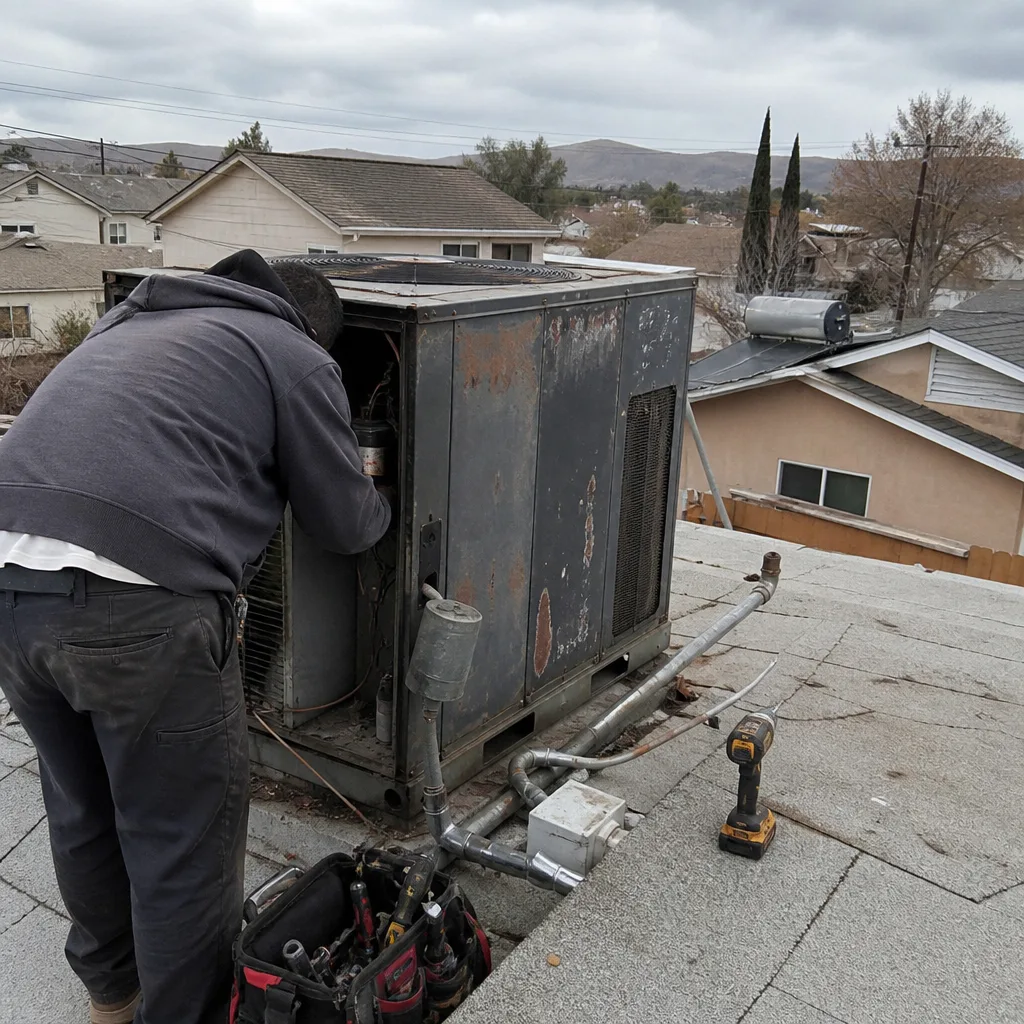 Before
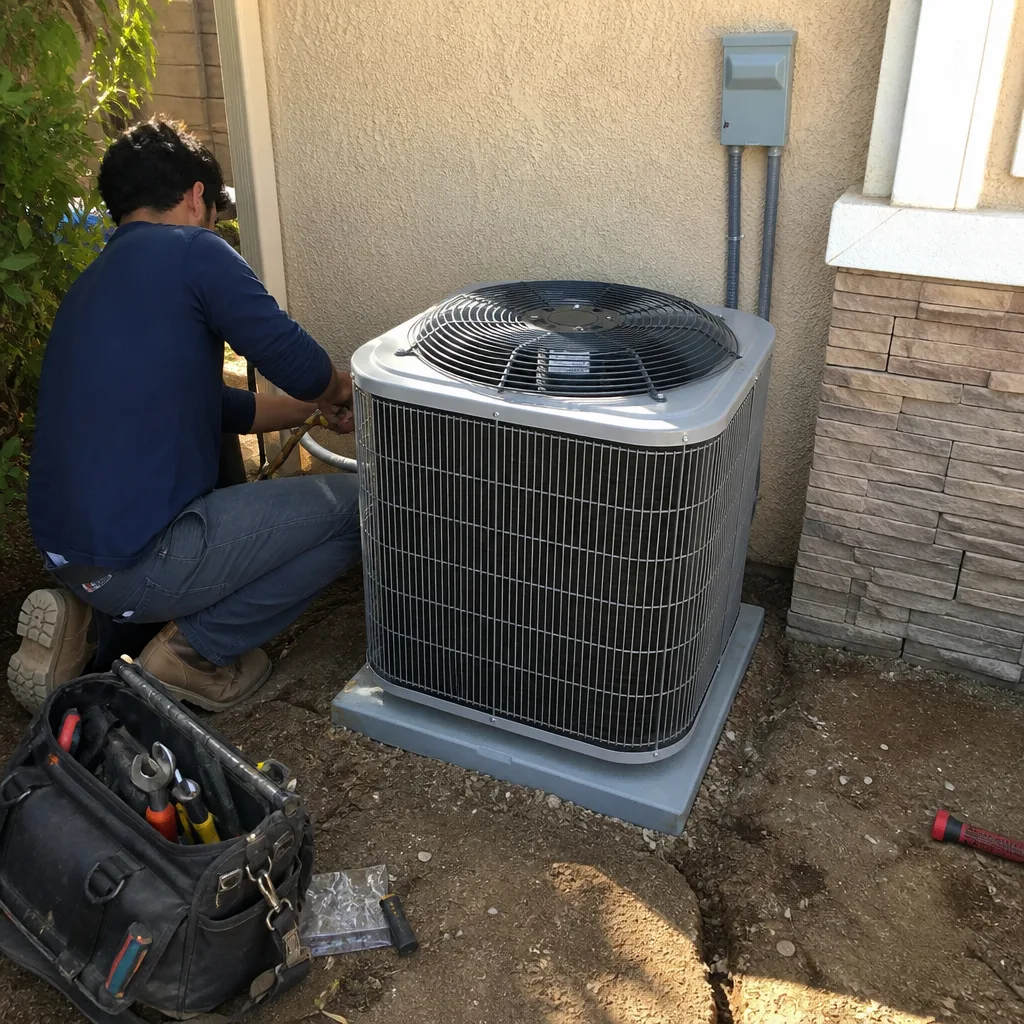 After