

Last updated October 30, 2026
 Home additions & ADU
 Kitchen remodeling
 Bathroom remodeling
 Roofing
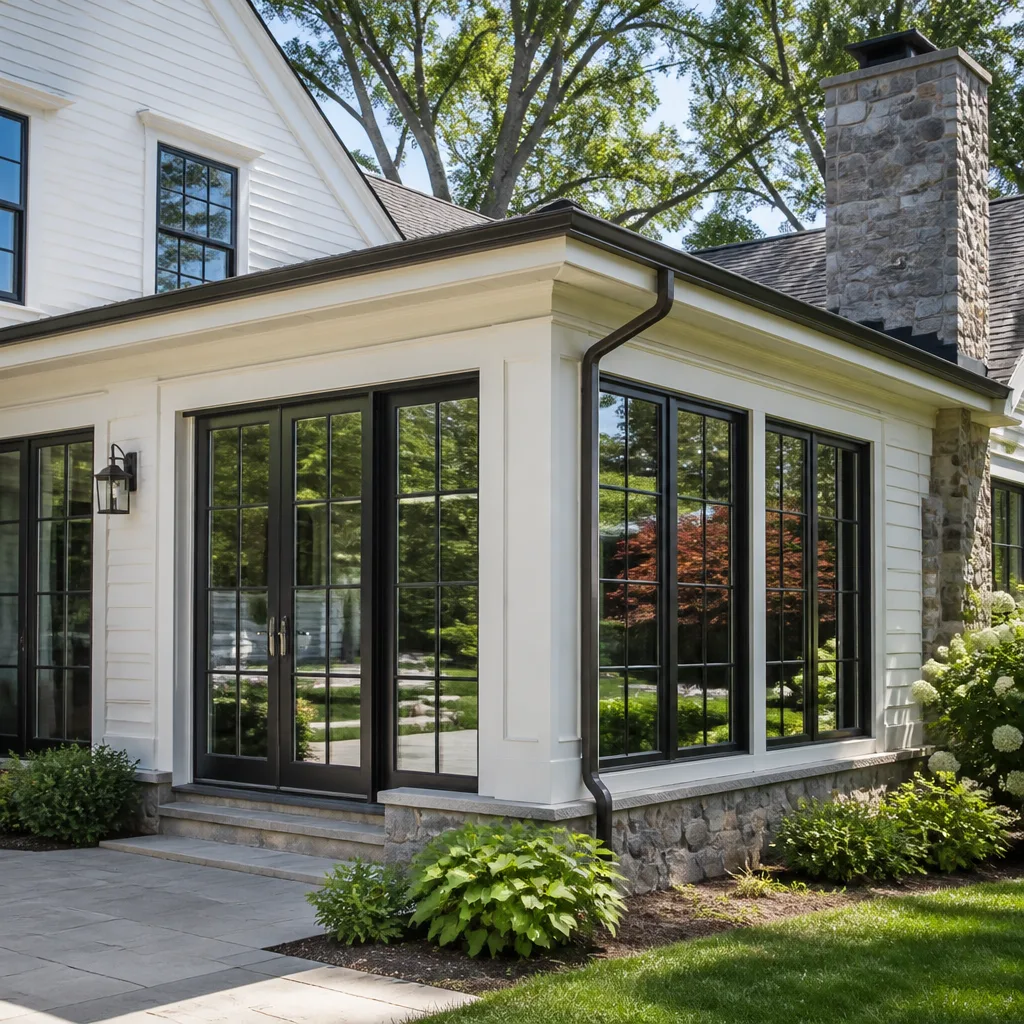 Windows & doors
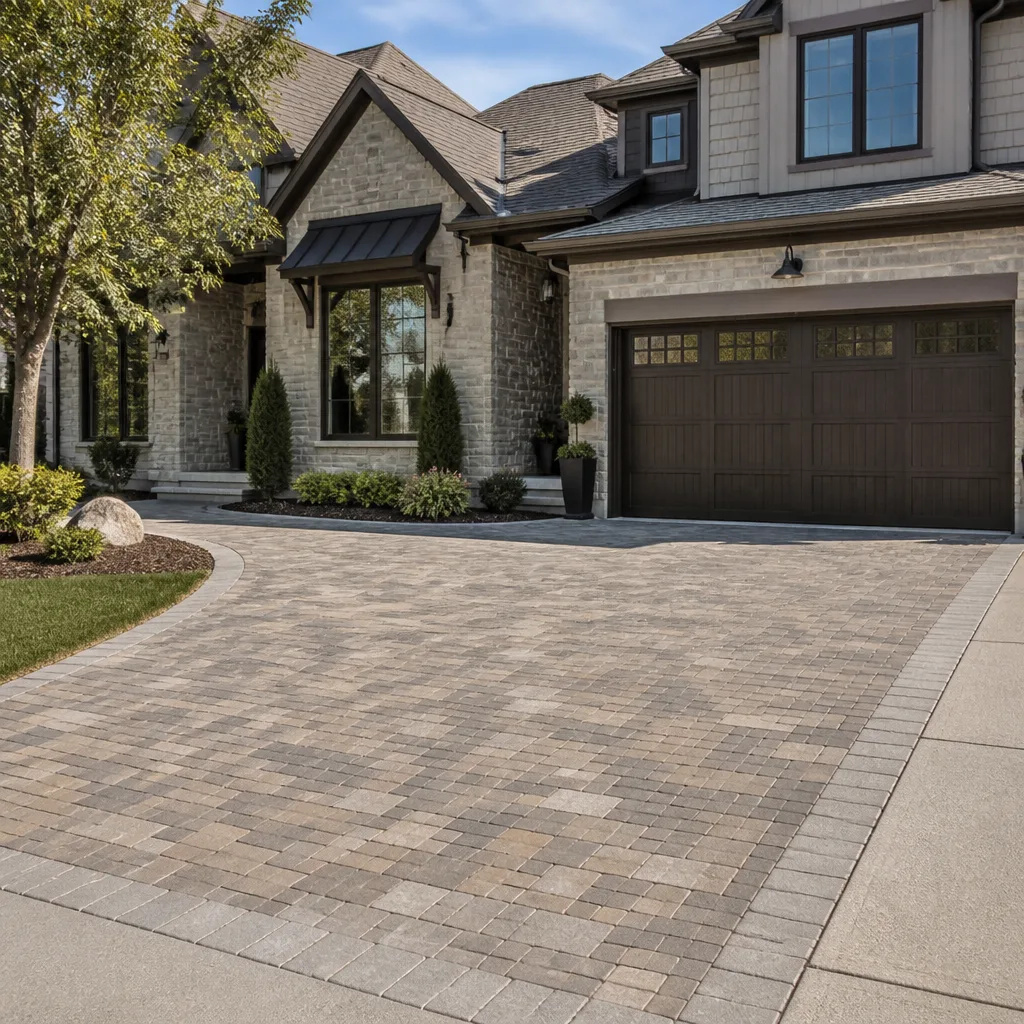 Driveway & pavers
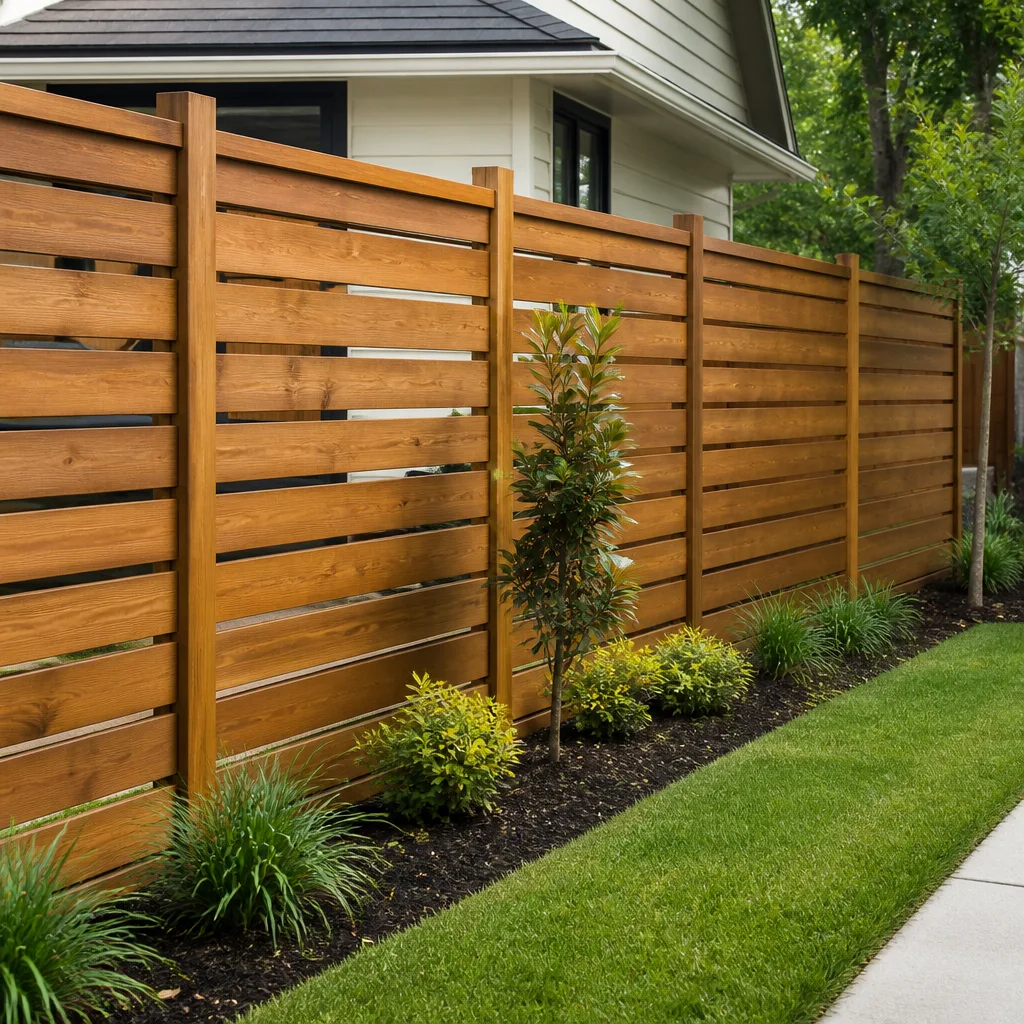 Fence
Free written scope consultation - allowances, timeline, and change-order rules on paper before a single trade is scheduled
Seasonal Construction Care for Victorville: Year-Round Homeowner’s Guide
Victorville recorded 23 days above 105°F in a recent summer. That is not a weather trivia fact. That is a stress test on every material your home is built from: asphalt shingles cupping under sustained heat, sealant drying out and pulling away from window frames, concrete flatwork expanding until it cracks. Add winter nights that dip below freezing and late-summer monsoons that dump a month of rain in an afternoon, and you have a climate that punishes deferred maintenance faster than almost anywhere in Southern California. This guide walks through what Victorville’s seasons actually do to your home, what to check each quarter, and when to stop inspecting and start calling a contractor. For more guides & resources on protecting your home, visit our blog.
Styles & brands we work with
Quick Answer
Seasonal construction care in Victorville means scheduling specific inspections and repairs around four distinct stress events: winter freeze-thaw cycles that crack concrete and stucco, spring wind that tests roof penetrations and fencing, summer heat that degrades roofing and sealants, and late-summer monsoon flash flooding that exposes drainage and grading problems. Most homeowners should plan for a spring exterior inspection, a pre-monsoon drainage check in August, and a fall thermal-expansion review before temperatures lock cracks in for winter.
Table of Contents
- Winter Freeze-Thaw: The Concrete and Stucco Threat
- Spring Wind Season: Roof Penetrations, Baffles, and Drainage Prep
- Summer Heat Stress: Roofing, HVAC, and Exterior Wood
- Late Summer Monsoon Readiness: Grading and Water Management
- Fall Re-Entry: Evaluating Thermal Expansion Damage
- A Seasonal Maintenance Schedule That Works
- Material Selection: Why It Matters More in Victorville
- Common Mistakes to Avoid
- When to Call a Professional
- Frequently Asked Questions
- The Bottom Line
Winter Freeze-Thaw: The Concrete and Stucco Threat
Victorville sits in the High Desert. That means winter nights routinely fall into the 20s, and when they do, water that has seeped into any crack or hairline gap freezes. Water expands roughly 9% when it turns to ice. That expansion is enough to turn a hairline stucco crack into a visible fissure in a single season, and enough to spall the surface off a concrete driveway in two or three winters if no one addresses the underlying issue.
The materials most vulnerable to freeze-thaw in Victorville are exposed concrete flatwork (driveways, walkways, patio slabs), stucco exteriors, and irrigation lines that were not fully drained before the first hard freeze. We have seen irrigation backflow preventers split open on north-facing walls because a homeowner shut off the water but never drained the line. The repair is straightforward. The water damage behind the wall is not.
What to Inspect Each Winter
- Concrete flatwork: Look for pooling water. Any area where water stands after a rain is a crack waiting to happen. Water seeps into the slab, freezes overnight, and widens micro-fractures you cannot see yet.
- Stucco hairline cracks: Mark any crack wider than a pencil line. If it grows during winter, the freeze-thaw cycle is doing the work. Cracks that move each winter are structural, not cosmetic.
- Irrigation lines: Shut off the main valve, drain the system thoroughly, and insulate exposed backflow preventers. A five-minute drain in November prevents a four-figure repair in February.
- Window and door seals: Cold air leaking past a dried-out seal is not just a comfort issue. The moisture that follows the temperature differential condenses inside wall cavities. That is where mold starts.
Numbered Winter Walkthrough
- After the first hard freeze, walk the full perimeter of your home and note every crack in concrete or stucco. Take photos with a date stamp.
- Check that downspouts are directing water at least three feet away from the foundation. Frozen soil expands, and saturated soil freezes harder against foundation walls.
- Inspect roof valleys and flashings from the ground with binoculars. Ice damming is rarer here than in mountain towns, but the same thaw-refreeze cycle works on any trapped moisture.
- Confirm crawl space vents are unobstructed. Trapped moisture and cold air create condensation problems that stay hidden until spring.
- Re-check cracks in February. Anything that has widened needs professional evaluation before spring work begins.
If you are planning a remodel that touches exterior surfaces, winter is the right time to have a full-scope contractor assess what freeze-thaw has already done. Fixing underlying concrete or stucco issues before you install new hardscaping or siding means you are not putting a warranty-backed product over a failing substrate. From the kitchen to the roofline, our scope includes the exterior work that protects everything inside. See what a General Contractor in Colton handles when the project crosses property lines.
Spring Wind Season: Roof Penetrations, Baffles, and Drainage Prep
Victorville’s spring winds are not an inconvenience. Sustained 30-to-40-mph gusts with higher peaks are common from March through May, and they do two specific things to a home: they work loose any roof penetration that was not properly sealed, and they accelerate the drying of soil that was already dry. The wind also pushes debris into drainage paths. When the monsoon arrives in July or August, those clogged paths are what turn a heavy rain into a flooded garage.
In our experience, the highest-value spring task is not a deep clean. It is a targeted inspection of every place where your roof membrane is interrupted: vent pipes, attic vents, chimney flashing, skylights, and any HVAC curbs. Wind-driven rain gets pushed sideways, which means a seal that looks fine from above can still leak when water is blown under the shingle lap.
Spring Wind Season Checklist
- Roof penetrations: Check the rubber boots around vent pipes. In the High Desert sun, these dry out and crack within five to seven years. Once cracked, wind-driven rain gets under them.
- Attic baffles: High winds pressurize the attic differently. If baffles have shifted or insulation has blown back over them, your attic ventilation is compromised just as summer heat is arriving.
- Drainage paths: Clean all swales, gutters, and downspout outlets. The wind deposits sand and debris faster than in coastal cities. A swale buried under an inch of blown sand will not move water.
- Fencing: Check post footings and gate hinges. Dry soil shrinks, which loosens post-set concrete. Wind then works the post back and forth until the gate no longer latches.
- Roof tile or shingle tabs: From the ground, scan for any lifted tabs or shifted tiles. Wind gets one lift point and works it until the fastener fails.
Numbered Spring Priority Order
- Inspect and reseal all exposed roof penetrations before the first monsoon-front rain.
- Clear drainage swales and confirm downspout extensions are still connected and angled away from the slab.
- Open the attic on a windy day and feel for air movement. No movement means baffles or vents are blocked.
- Test every exterior door and gate for latch alignment. A gate that rubs in March will not latch in June.
- Check window and door weatherstripping. Dust from spring winds accelerates seal wear; worn seals cost you money all summer.
If you are also planning spring upgrades, this is the natural window for roofing, fencing, and hardscaping work before triple-digit heat arrives. One contractor. Every trade. That means the same team that reseals your roof penetrations can also replace a wind-damaged fence with Master Halco or Jerith materials, and install Belgard or Unilock pavers on a compacted base that will not shift in the next wind season. Our Home Remodeling in Colton page shows how exterior and interior work fit under one scope.
Summer Heat Stress: Roofing, HVAC, and Exterior Wood
Sustained 105°F-plus days do not just make your air conditioner work harder. They push standard residential roofing materials beyond their comfortable range. Asphalt shingle tabs soften and cup. Sealants expand and lose adhesion. Composite deck boards grow enough to push against fasteners and pop them loose. The High Desert sun also breaks down the oils in exterior wood finishes faster than any coastal climate. What lasts five years in San Diego might last two in Victorville.
Your mid-summer job is not to replace things. It is to identify what the heat is degrading so you can schedule repairs in the fall, before winter moisture enters through the gaps.
What Heat Does to Each System
- Roofing: Asphalt shingles lose granules faster under sustained UV. Cupped tabs expose nail heads, and exposed nail heads leak. Tile roofs develop micro-cracks in glazing. GAF, CertainTeed, and Owens Corning all publish heat-specific installation guidelines for a reason; products installed outside those parameters fail early.
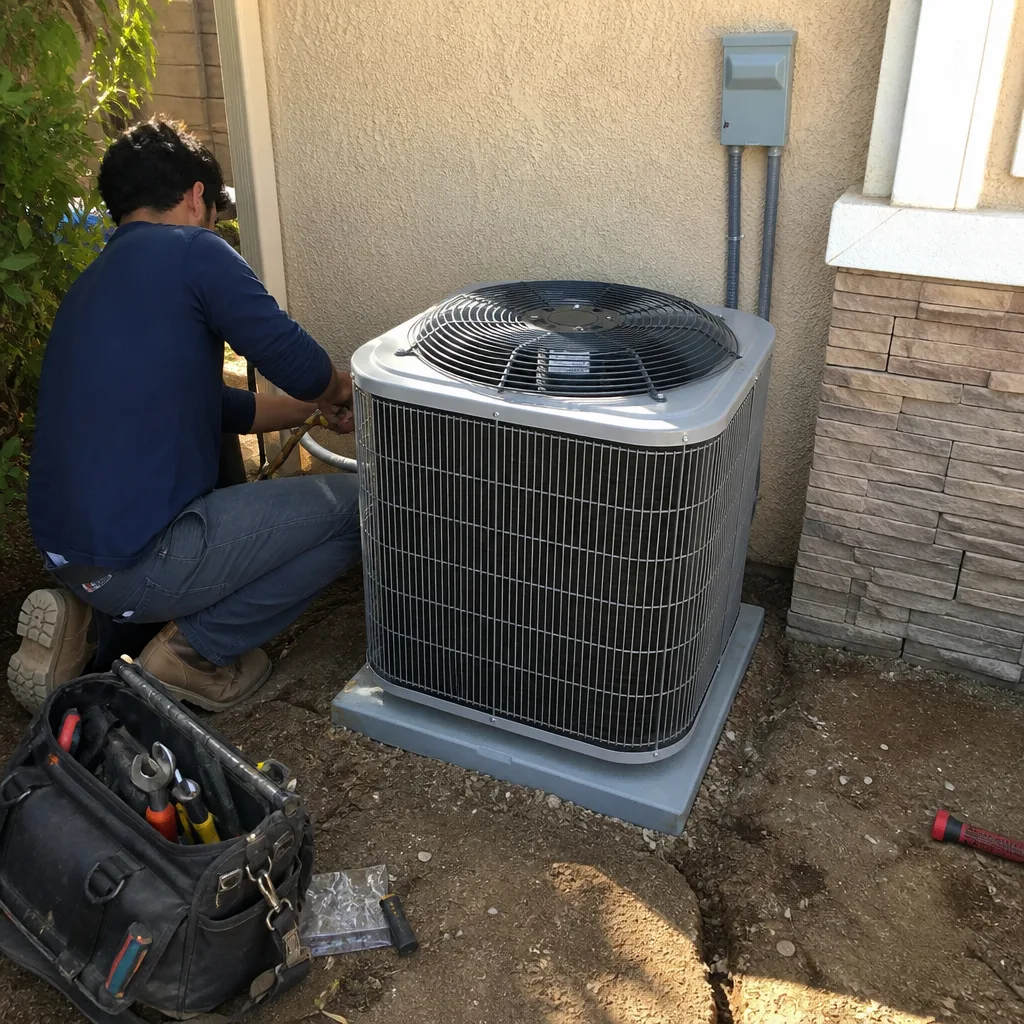
- HVAC capacitors: Heat is the number one killer of run capacitors. When the capacitor fails, the compressor works harder and draws more current until it fails. Have the capacitor checked before August.
- Exterior wood: Fascia boards, trim, and deck framing expand in heat and contract at night. This thermal cycling breaks paint films and pulls fasteners loose. Check for gaps at joints and raised nail heads.
- Window and door seals: The sealant bead around exterior windows dries and cracks. A gap the width of a credit card is enough to let in dry desert air all day and let out conditioned air all night.
- Concrete flatwork: Expansion is real. A slab that has no control joints will crack somewhere. If you see cracks along predictable lines, the slab is doing what physics forces it to do.
Numbered Mid-Summer Inspection
- Pick a morning before the sun hits the roof directly. From a ladder at the eave, scan for cupped or shifted shingle tabs, cracked tile, or visible nail heads.
- Run your HVAC and feel the air at the supply register. If the temperature difference between supply and return air is below 15 degrees, the system is struggling. The capacitor is the usual suspect.
- Walk the perimeter and press on window sealant beads. If the material is hard, chalky, or pulling away, make a note for fall repair.
- Inspect all exterior wood for raised grain, finish failure, and fastener pop-out. The longer exposed wood goes unprotected, the more likely rot sets in after monsoon moisture.
- Check all expansion joints in driveways and walkways. Joints that are completely closed at peak heat are a sign the slab is under compression and may crack at the next cold snap.
A roof that fails under Victorville heat rarely fails all at once. It fails one season at a time, and the failure starts with the same three brands most homeowners recognize: GAF, CertainTeed, and Owens Corning all make quality materials, but no shingle on the market is rated to ignore 23 straight days above 105 degrees. Installation matters. Ventilation matters. Most of all, timing matters. Replacing a roof in October gives the materials a full winter of mild weather to settle before next summer’s heat arrives. If your exterior inspection turns up more than one trade’s worth of work, a full-scope contractor saves you the coordination burden. See what Home Renovation in Colton covers when the project expands beyond a single system.
Late Summer Monsoon Readiness: Grading, Downspout Extensions, and Window Seals
Victorville’s monsoon window runs roughly from mid-July through early September, and when a storm cell parks over the valley, it can drop an inch of rain in 20 minutes on ground that has been baked into a hard, hydrophobic crust. That water does not soak in. It sheets. It channels. It finds every low spot, every undersized downspout, and every gap in grading around your foundation. The homeowners who avoid water damage are the ones who prepared in August, not the ones who reacted in July.
Monsoon Readiness Checklist
- Grading: Walk the entire perimeter after a dry spell. Soil should slope away from the foundation at least six inches over the first ten feet. Flat or reversed grading channels water toward your slab edge.
- Downspout extensions: Every downspout should discharge at least three feet from the foundation, ideally into a swale or drainage path. A downspout that dumps water at the corner of your house is actively undermining your foundation one monsoon at a time.
- Window seals: Heat-damaged sealant is exactly what lets wind-driven rain into wall cavities. The time to re-caulk is before the first storm, not after you see water staining on drywall.
- Roof flashings: Check valleys, chimneys, and skylight curbs. Monsoon rain is intense and directional. A small flashing gap that never leaked in ordinary rain will leak in a monsoon downpour.
- Patio and deck drainage: Flat surfaces need slope. If your patio holds water after a sprinkler cycle, it will hold water during a monsoon. Standing water on concrete accelerates surface spalling.
Numbered Pre-Monsoon Order
- In early August, clear every swale, gutter, and downspout outlet of debris. Wind season deposited more than you think.
- Test downspout discharge by running a hose into the gutter. Watch where water exits. Adjust or extend any downspout that discharges within three feet of the slab.
- Inspect all window and door perimeter seals. Re-caulk any gap where the old sealant has cracked, shrunk, or pulled away.
- Check that all roof flashings are tight and fully seated. From the ground, look for lifted flashing edges or visible sealant gaps.
- Verify that all mulch, soil, or decorative rock has not built up above the foundation line. Material piled against the slab is an invitation for water to wick into walls.
Grading problems are construction problems, not landscaping problems. If your lot has settled or if a previous owner built flower beds against the foundation, the fix is regrading, and that is not a DIY afternoon. Pro-grade materials, professionally installed. That is the standard for any water-management repair, because the cost of getting it wrong is water inside your home. Our base in Victorville means we know this valley’s storm patterns. When a homeowner in Spring Valley Lake or the Eagle Ranch area asks about drainage, we know exactly what the soil and slope will do in a flash flood.
Fall Re-Entry: Evaluating Thermal Expansion Damage Before Winter Locks It In
By late October, Victorville’s daytime highs have dropped from 100-plus to the 70s and 80s. The ground is still warm, the air is cooling, and the materials that spent all summer expanding are now contracting. Fall is the season when summer heat damage becomes visible: cracks that opened in August close slightly in October, nail pops appear where they were hidden, and sealant that was soft in July is now brittle and ready to fail at the first freeze.
The fall inspection is the most important of the year because it is the last chance to make repairs before winter moisture enters through every gap and freeze-thaw does the rest of the damage.
Fall Thermal Expansion Checklist
- Exterior cracks: Walk every wall. Note any crack that opened during summer and check whether it is still moving. Cracks wider than 1/8 inch need evaluation before winter.
- Caulk joints: Everywhere two materials meet – window to stucco, door threshold to concrete, fascia to siding – the joint should be sealed with a flexible sealant. If it is hard or split, replace it now.
- Expansion joints in driveways: These should be clean and open. Joints packed with debris cannot absorb expansion, which means the concrete absorbs it instead. Concrete absorbing expansion is how slabs crack.
- Deck fasteners: Summer heat pops nails and screws. Walk every deck board and re-set any fastener that has risen. A protruding fastener is a trip hazard and a water entry point.
- Roof inspection: This is the final roof check before winter. Look for any lifted or missing shingle tabs, cracked tile, or failing flashing from the summer heat cycle.
Numbered Fall Priority Order
- Complete a full exterior walk with a notebook or phone camera. Document every crack, gap, and failing seal before temperatures drop.
- Re-caulk every exterior joint that shows cracking, shrinking, or pull-away. Use a sealant rated for the temperature swing you actually get, not the mildest case.
- Clear all debris from expansion joints and confirm the joints are not compressed closed at peak afternoon heat.
- Inspect roof and attic from the inside on a sunny day. Look for daylight at penetrations and any water staining on roof sheathing.
- Finalize any open exterior repairs now. Once the first freeze hits, sealants and caulks cure more slowly and concrete work becomes far more difficult.
Your project managed start to finish. That is the difference between a seasonal checklist you do yourself and a seasonal repair list you hand to one contractor who handles every trade on it. When the fall inspection turns up roofing, stucco, and concrete work all at once, you do not need three vendors. You need one scope and one schedule.
A Seasonal Maintenance Schedule That Works
The fastest way to fall behind on Victorville home maintenance is to treat every task as equal. It is not. Some inspections save you thousands; others just keep things tidy. This schedule filters the year’s work by what actually prevents structural damage.
January-February
- Inspect concrete and stucco after the first hard freeze. Mark cracks that are widening.
- Check irrigation backflow preventers for freeze damage.
- Confirm crawl space vents are clear and downspouts are directed away from the slab.
March-April
- Inspect all roof penetrations and flashings after wind season starts.
- Clear drainage swales and downspout outlets of wind-blown debris.
- Open the attic on a windy day and verify ventilation baffles are working.
- Reseal any window or door weatherstripping worn thin by wind-driven dust.
May-June
- Run the HVAC and check supply-to-return air temperature differential.
- Inspect exterior wood for finish failure and raised fasteners.
- Check control joints in concrete flatwork for full closure at peak heat.
July-August
- Complete the pre-monsoon grading and drainage check.
- Re-caulk all window and door perimeter seals before the first flash flood.
- Test downspout discharge with a hose and verify water flows away from the foundation.
September-October
- Evaluate all thermal expansion damage: cracks, nail pops, sealant failure.
- Re-caulk exterior joints where materials meet.
- Clear expansion joints in driveways and walkways of packed debris.
- Complete any roofing repairs before winter moisture arrives.
November-December
- Drain irrigation systems completely and insulate exposed backflow preventers.
- Walk the full exterior and document any new cracks or openings.
- Confirm all exterior repairs from fall are holding through the first temperature swing.
Material Selection: Why It Matters More in Victorville
Most maintenance guides tell you what to check. They rarely tell you that the materials you choose determine how much checking you have to do every year after. Our Complete Guide to Construction in Victorville covers this in more detail. In a climate with 100-degree temperature swings between summer highs and winter lows, product selection is not a preference. It is a performance decision.
Standard paint and sealant products rated for coastal California weather simply do not hold up in the High Desert. The temperature cycling, UV exposure, and wind-driven dust in Victorville are more demanding. That is why the product lines you choose matter: a sealant rated for a 40-degree annual swing will fail prematurely when your actual swing is 60 degrees or more.
The same logic applies to every system. James Hardie siding holds paint longer than wood because the substrate moves less. Schluter tile-edge systems handle thermal movement better than raw tile transitions. And in fencing, the difference between a post set in properly cured concrete and one dropped into dry-packed soil is the difference between a fence that stands through five wind seasons and one that leans after two.
None of this means you need premium products everywhere. It means you need a contractor who knows which products are worth the money in this specific climate and which are not, as explained in our Choosing the Right Construction Brand: A Buyer’s Guide for Victorville. Our brand partnerships exist for this reason. We recommend Cambria, Silestone, and Caesarstone countertops because they handle heat and UV without discoloring. We install GAF, CertainTeed, and Owens Corning roofing because those manufacturers engineer for the thermal cycling Victorville dishes out. We offer fencing from Barrette and Ameristar because their coatings are designed for sustained UV exposure. The point is not the brand name. The point is that someone on your project actually understands what these materials will face.
Common Mistakes to Avoid
- Skipping the fall re-caulk. Most homeowners re-caulk once, in spring, and assume it lasts. In Victorville, summer heat destroys sealant in a single season. If you do not re-caulk again in October, winter water enters through the gaps you ignored.
- Waiting until drainage is a visible problem. By the time you see water pooled against your foundation, the soil has already been saturated. Grading and downspout work needs to happen before the monsoon, not after the first flood.
- Checking the roof only after a leak appears. A leaking roof is a failing roof. The inspection is supposed to find the problem before water reaches your drywall. If you wait for the stain on the ceiling, the repair is already more expensive.
- Ignoring small concrete cracks. A hairline crack is not cosmetic. In freeze-thaw conditions, it grows every winter. A crack that costs $200 to seal in fall costs $2,000 to repair in spring if left alone.
- Using coastal-grade sealants and caulks. Victorville is not a coastal climate. Products formulated for mild temperature swings will harden and crack within one year here. Buy for the High Desert, not for California generally.
- Treating the HVAC as a summer-only concern. Heat kills capacitors in July, but the failure often starts with dust and wear that could have been addressed in spring. A $20 capacitor replacement in April prevents a $400 emergency call in August.
- Coordinating multiple trades instead of one contractor. When seasonal repairs span roofing, fencing, and concrete, homeowners who coordinate three separate vendors often end up with three schedules, three invoices, and one uncovered gap between scopes. One contract removes the finger-pointing.
When to Call a Professional
Some seasonal maintenance is a homeowner’s job. Cleaning gutters, clearing swales, and checking weatherstripping are all reasonable DIY tasks. But there are points where the work crosses into territory that requires a licensed contractor. If you see a stucco crack wider than 1/8 inch that is growing, a roof flashing that has lifted or separated, a downspout that is discharging onto the foundation, a driveway control joint that has completely closed at peak heat, or a fence line that is leaning more than a few inches out of plumb, stop inspecting and start calling. These are not cosmetic issues. They are the early warning signs of structural problems. Stallion Contractors offers free estimates in Victorville – call (855) 600-3192 and we will walk the property with you and tell you what is urgent, what can wait, and what it costs.
Frequently Asked Questions
Twice a year – once in spring after wind season and once in fall before winter moisture arrives. The spring inspection catches wind and heat damage from the prior year. The fall inspection catches thermal expansion damage from summer before freeze-thaw amplifies it. Roofs in Victorville age faster than coastal roofs because of sustained UV exposure and temperature cycling, so a professional inspection every six months is reasonable insurance.
Yes, and it happens more often than homeowners realize. Victorville winters regularly drop below freezing at night, and any water trapped in concrete or stucco cracks expands when it freezes. The damage is incremental; one winter does not destroy a driveway. But two or three winters of unrepaired cracks, combined with the summer’s thermal expansion, can turn a small crack into a major crack quickly. Call (855) 600-3192 if you have a crack that is widening.
Downspout extension and grading before monsoon season. Most homeowners remember to clean gutters but never trace where the water actually goes once it leaves the downspout. A downspout that discharges at the foundation line is worse than no downspout at all, because it concentrates roof runoff directly onto the soil next to your slab. The fix is usually simple and inexpensive, but it needs to happen before the first heavy storm.
You can, but use a sealant formulated for high temperature swings and intense UV exposure. The standard painter’s caulk sold at big-box stores is not rated for Victorville conditions; it will harden and crack within a single summer. If you are unsure, a professional can re-caulk all exterior joints in a single afternoon. For homes with multiple exterior penetrations, it is often more efficient to include this in a broader exterior maintenance scope with a licensed contractor.
Walk your property during a dry spell and check two things: the soil should slope away from the foundation at least six inches over the first ten feet in every direction, and there should be a continuous drainage path from every downspout to a swale or street. If water stands anywhere after a normal rain, the grading is not working. In a monsoon downpour, that standing water becomes a flood. This is one of the most common issues we see in established Victorville neighborhoods.
The same general contractor who handles your kitchen remodel should be able to handle seasonal exterior repairs. In fact, a contractor with full-scope capability is usually a better choice because they can address the underlying exterior issues, the visible damage, and any interior repairs that become necessary, all under one contract. At Stallion Contractors, our scope covers exterior systems like roofing, siding, and concrete hardscaping, plus interior work. One team, one schedule, no coordination burden for you. Call (855) 600-3192 to schedule a seasonal assessment.
The Bottom Line
Victorville’s seasons are structural stress events, not background weather. Freeze-thaw cracks concrete in winter. Wind works roof penetrations loose in spring. Heat degrades sealant and roofing through summer. Monsoon rains exploit every drainage gap in late summer. The homeowners who avoid expensive repairs are the ones who inspect on schedule, fix small problems before they compound, and choose materials built for High Desert conditions. Most of this work is predictable. The question is whether you do it on your schedule or wait until the damage forces you to do it on an emergency basis. If you want a professional assessment of where your home stands, call (855) 600-3192 for a free estimate. From the kitchen to the roofline, we handle it all under one contract.
Written by the team at Stallion Contractors, serving Victorville since 2011.
See the difference
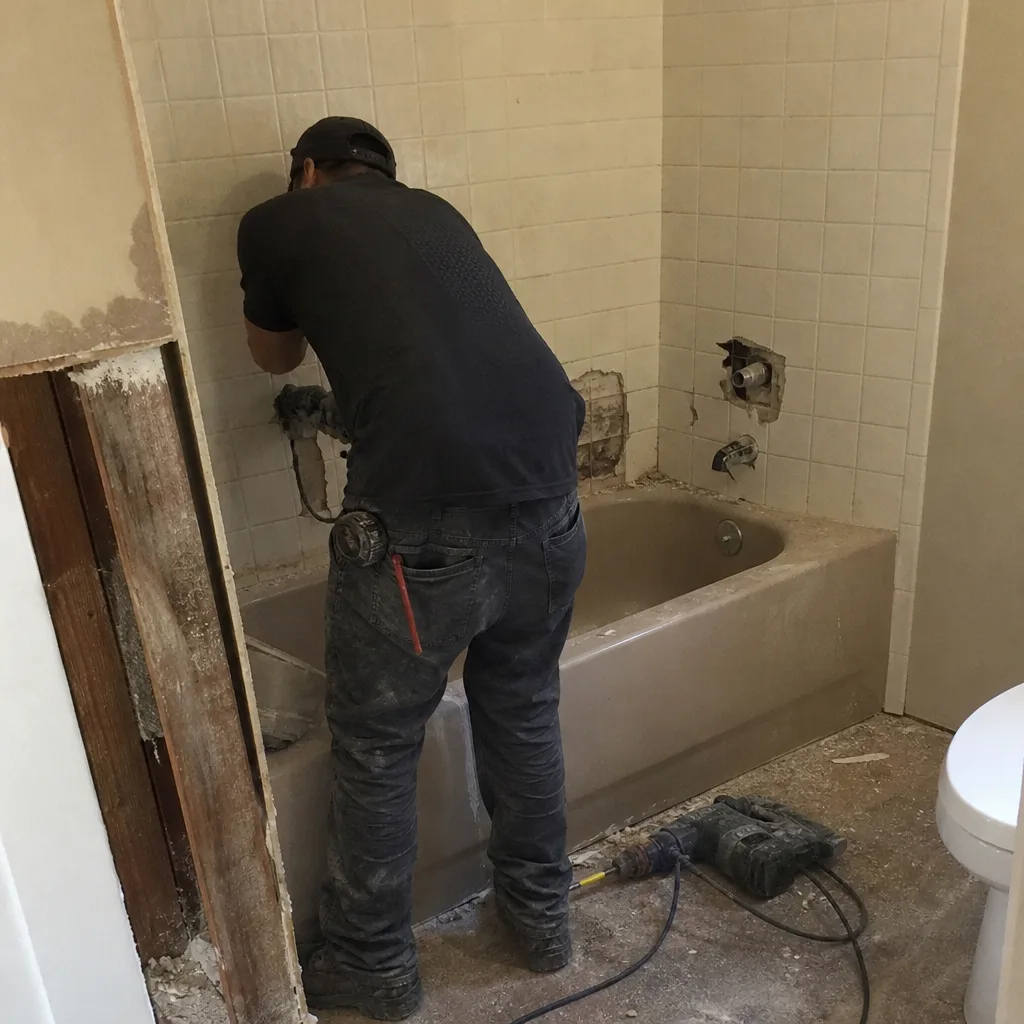 Before
 After
 Before
 After
 Before
 After