
Last updated October 30, 2026
 Kitchen remodeling
 Bathroom remodeling
 Home additions & ADU
 Roofing
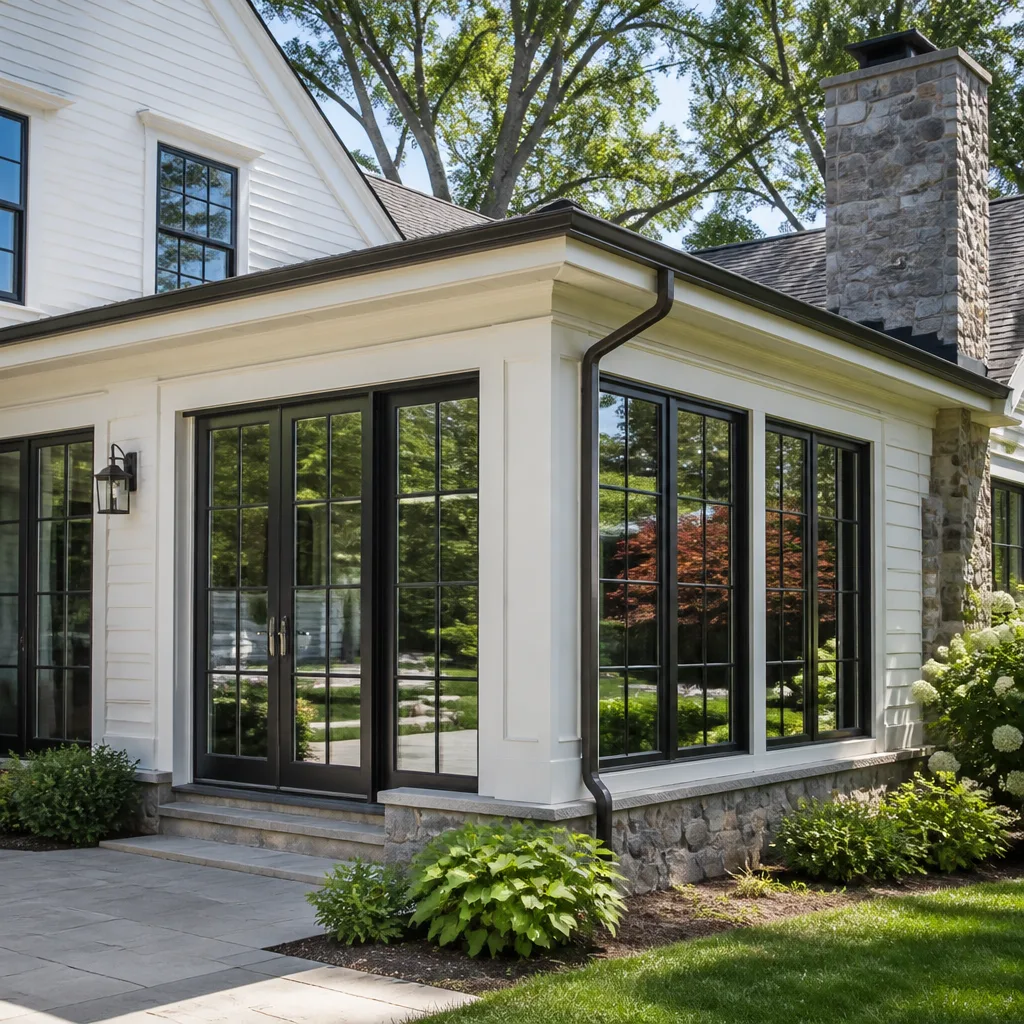 Windows & doors
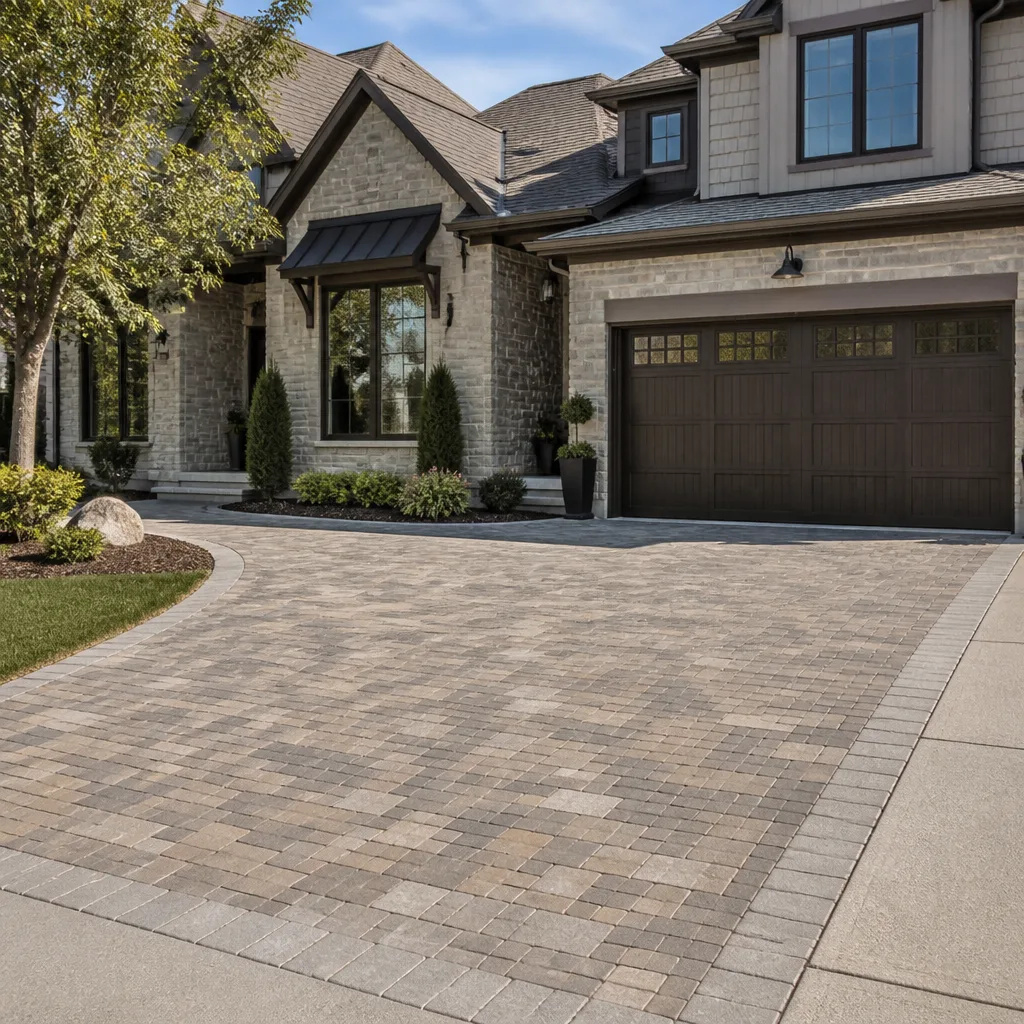 Driveway & pavers
 Fence
Free written scope consultation - allowances, timeline, and change-order rules on paper before a single trade is scheduled
How to Hire a Construction Contractor in Victorville: A Step-by-Step Guide
During Victorville‘s building boom, the San Bernardino County Contractors State License Board logged a measurable spike in complaints tied to unlicensed crews operating under borrowed license numbers. The scam works like this: an out-of-area “contractor” rents a license from a legitimate holder, collects a 30% down payment, starts demolition, then disappears when the permit office calls. Most homeowners never see it coming because they skip the three verification steps we’ll walk through here. This guide gives you a repeatable framework for filtering contractor candidates before a single dollar changes hands, with specific protocols for the High Desert market where Victorville sits.
Quick Answer
Hiring a construction contractor in Victorville means verifying the CSLB license directly with the state board, confirming workers’ compensation insurance and bond status, checking that the contractor pulls permits for all structural work, and getting a fixed-scope written contract with a payment schedule tied to completed milestones. Skip any candidate who pressures you to sign before you’ve checked these four items. Expect to pay fair market rates for the High Desert; bids that come in 30% or more below everyone else are usually a warning sign, not a bargain.
Styles & brands we work with
Table of Contents
- Step 1: Verify the CSLB License Beyond the Lookup Tool
- Step 2: Confirm Bond, Insurance, and Workers’ Comp Before You Sign
- Step 3: Ask the Questions That Expose Victorville Permit Knowledge
- Step 4: Decode the Bid for High Desert Red Flags
- Step 5: Know the Difference Between a Trade Specialist and a General Contractor
- Step 6: Structure a Contract That Handles Permit and Material Delays
- Step 7: Run Your Own Reference Check in Victorville
Step 1: Verify the CSLB License Beyond the Lookup Tool
The Contractors State License Board maintains a public database, and checking it is the bare minimum. But most homeowners stop there, and that’s exactly what scammers count on. A borrowed or cloned license number will pass a basic lookup because it belongs to a real, active license. The verification has to go deeper.
First, go to the CSLB website and pull up the license. Write down the business name, the license holder’s name, the classification, and the expiration date. Then call the phone number listed on the CSLB record. Ask for the license holder by name. If the person who answers has no idea who you’re asking for, or if the call routes to a disconnected number, you’ve found a borrowed license. In our experience, this one phone call catches a significant percentage of Victorville bid scams.
Second, match the name on the license to the name on the contract. The CSLB record must show the exact entity you’re writing checks to. A “DBA” (doing business as) name is acceptable only if it’s registered with the CSLB and appears on the license record. If the contract lists a company name that doesn’t match the license, walk away.
Third, check the classification. A “B” license covers general building. A “C” license covers a specific trade, like C-39 roofing or C-36 plumbing. If you’re hiring for a full kitchen remodel that includes electrical, plumbing, framing, and finish work, you need a B-licensed general contractor. A C-license holder legally cannot contract for work outside their classification. In Victorville, where many homes are on larger lots with room for additions, this distinction matters a lot.
Step 2: Confirm Bond, Insurance, and Workers’ Comp Before You Sign
A license number tells you the contractor is registered. It doesn’t tell you they’re protected against what happens when a worker gets hurt on your property or a subcontractor goes unpaid. Those protections come from three documents you should request in writing before signing anything.
The bond. California requires contractors to carry a $25,000 contractor’s bond. It protects you if the contractor violates the terms of the contract or does substandard work that they refuse to fix. Ask for a copy of the bond certificate and verify it’s current. If the contractor hesitates, that’s a signal.
Workers’ compensation insurance. If a worker falls off a ladder on your Victorville property and the contractor doesn’t carry workers’ comp, you can be held liable for the medical bills. This is not a theory. It’s a real exposure that homeowners face in California. Ask for a certificate of workers’ compensation insurance and verify the policy is active. Some contractors try to exempt themselves by claiming no employees, but if they show up with a crew, that exemption evaporates.
General liability insurance. This covers damage to your property during the job. Ask for a certificate naming you as an additional insured for the duration of the project. A reputable contractor in Victorville will provide this without argument. One who won’t is telling you something important.
One contractor. Every trade. That’s the model at Stallion Contractors home, and it’s the reason we carry full documentation: bond, workers’ comp, and general liability. A single point of accountability starts with paperwork you can verify.
Step 3: Ask the Questions That Expose Victorville Permit Knowledge
Victorville’s building department operates under the California Building Standards Code, but the city has its own amendment package, plan check procedures, and inspection schedules. A contractor who knows the process will answer these questions without pausing. A contractor who is guessing will deflect.
Here are five questions to ask, and what a qualified answer sounds like:
1. “Which projects in Victoriaville require a permit?” A knowledgeable contractor will tell you that structural changes, electrical work, plumbing alterations, roofing replacements, and additions all require permits. Cosmetic work like painting or replacing cabinet fronts generally doesn’t. Some Victorville homeowners believe minor interior work doesn’t need a permit, and a contractor who agrees with them is waving a red flag.
2. “What’s the plan check timeline in Victorville right now?” The answer should include current wait times, which fluctuate. A good contractor will say something like, “Plan check right now is running about two to three weeks for a standard remodel, longer for ADUs.” A bad one will say, “We handle all that, don’t worry about it.” You should worry about it.
3. “Who pulls the permits, you or me?” The contractor should pull the permits under their license. If they ask you to pull them under your name, they may be trying to avoid responsibility for the work meeting code. Some homeowners pull their own permits to save money, but that puts the liability on you if something goes wrong.
4. “What happens when the inspector flags something?” The answer should be immediate: “We fix it and schedule a re-inspection.” If the contractor hesitates or implies that inspectors in Victorville are easy or that they know someone at the counter, disengage. Building officials rotate assignments regularly, and a contractor who claims a special relationship is either lying or admitting to something worse.
5. “Can you walk me through the inspection milestones for my specific project?” A real contractor can rattle these off: footing inspection, framing inspection, rough electrical, rough plumbing, insulation, drywall, final. For a roofing job, it’s typically a single final inspection. For an ADU, it’s fifteen or more distinct checkpoints. If the answer is vague, you’re talking to a salesperson, not a contractor.
Step 4: Decode the Bid for High Desert Red Flags
Bids in Victorville look different from bids in Orange County or Los Angeles. The High Desert has its own labor pool, its own material logistics, and its own seasonal rhythms. A bid that looks like a bargain often contains three specific problems.
Materials cost that’s suspiciously low. The High Desert sits at the end of a long supply chain. Lumber, drywall, and concrete travel farther to get to Victorville than they do to a job site in San Bernardino. If a bid lists materials at 20% below what other contractors are quoting, the contractor is either planning to substitute cheaper products after you sign or they don’t know what the project actually needs. Ask for line items with brand names. A contractor who specifies Cambria or Silestone for countertops, James Hardie for siding, or GAF for roofing is telling you they know what pro-grade materials cost and they’re not going to bait-and-switch you. Vague language like “quality countertops” or “good roofing shingles” is a signal that the price may shift once you’ve committed.
No escalation clause. Any honest bid for a project longer than a few weeks should include language about what happens if material prices rise. Copper, lumber, and asphalt shingle prices have been volatile for years. A bid with no escalation clause means either the contractor has priced in a massive cushion or they’re planning to hit you with a change order the moment costs move. The right clause says something like, “Material prices are locked for 30 days from contract signing. After that, documented increases may be passed through with receipts provided.” That’s protection for both sides.
Vague subcontractor language. Ask who will actually do the work. If the bid doesn’t name the subcontractors who will handle electrical, plumbing, or roofing, you don’t know what you’re paying for. A full-scope general contractor will have established relationships and can tell you which trades they use. At Stallion Contractors, our brand partnerships mean the crew you get is the crew we’ve vetted, not whoever was available that week. That matters when a plumbing rough-in needs to coordinate with a countertop template.
Step 5: Know the Difference Between a Trade Specialist and a General Contractor
For a single-scope job, a trade specialist is often the right call. A C-39 roofer replacing a roof on a Victorville tract home knows their lane and does it well. But the moment your project touches multiple systems, the math changes.
Consider a kitchen remodel. You need demolition, framing, electrical, plumbing, drywall, painting, flooring, cabinet installation, countertop fabrication, and appliance hookup. That’s at least six different trades, each with their own permit requirements, inspection schedules, and sequencing dependencies. If you hire a cabinet installer who says they can “handle” the electrical, you’re now operating outside the CSLB rules and risking both your safety and your insurance coverage.
A general contractor holds a B license and is legally authorized to coordinate all those trades under one contract. They’re responsible for scheduling, sequencing, permit closeout, and making sure the electrician doesn’t run a circuit through a wall the plumber needs to open. They also carry the insurance that covers the whole job, not just their own slice of it.
For Victorville homeowners planning a kitchen, bath, whole-home remodel, or ADU, this is the single most important hiring decision. A full-scope general contractor like General Contractor in Colton covers interior and exterior work under one license. The question is not whether you can save a few thousand dollars by managing subcontractors yourself. The question is whether you have the time, the trade knowledge, and the appetite for liability if something goes wrong.
Step 6: Structure a Contract That Handles Permit and Material Delays
The contract is not a formality. It’s the document that decides who pays when the Victorville permit office pushes your project back three weeks or a cabinet order from KraftMaid or Wellborn gets stuck at a distribution hub. A well-structured contract protects you, and it also signals that the contractor takes their own obligations seriously.
Here’s what a solid construction contract should include:
- Complete scope of work. Every trade, every material, every finish. If it’s not in writing, it doesn’t exist. A bid that says “install kitchen” is not a scope of work. A scope that lists cabinet lines, countertop brand, flooring material, plumbing fixtures, and painted surfaces is.
- Payment schedule tied to milestones. Never pay more than 10% or $1,000 (whichever is less) as a deposit in California. Subsequent payments should follow completed work: after rough inspection, after drywall, after cabinets, after final. Never make a final payment until the final inspection is signed off.
- A timeline with delay language. The contract should state a start date and an estimated completion date, and it should address what happens when delays occur due to permits, weather, or material availability. The language should be neutral: neither side is penalized for events outside their control, but the contractor is obligated to communicate within 48 hours of a delay becoming known.
- Change order protocol. Any change to scope or price must be documented in writing and signed by both parties before the work proceeds. A verbal “we’ll handle that later” is not a change order.
- Permit and inspection responsibility. The contract should name the contractor as the party responsible for pulling all permits and scheduling all inspections. This puts the legal obligation where it belongs.
- Warranty language. California requires a one-year fit-and-finish warranty on most residential work. The contract should restate this and add any extended manufacturer warranties on materials like roofing (GAF, CertainTeed, Owens Corning) or siding (James Hardie).
- Subcontractor lien release language. The contract should state that the contractor will provide signed lien releases from all subcontractors and suppliers before each payment is released. This prevents a lumber yard from placing a mechanic’s lien on your Victorville home because the contractor didn’t pay their bill.
Our own team handles Home Remodeling in Colton and across the Victor Valley with a contract that hits all seven of these points. It’s not about being difficult. It’s about making sure both sides know what they’re agreeing to.
Step 7: Run Your Own Reference Check in Victorville
References from a contractor’s portfolio are useful, but they’re curated. The contractor chose those projects because they went well. Your job is to find the projects that didn’t.
Here’s how to run a reference check that actually exposes something:
1. Ask for three references from the last six months. If all the references are from three years ago, that’s a signal. You want to know how the contractor is operating right now, not how they operated before their crew turned over.
2. Call the references and ask specific questions. Not “Did you like working with them?” but “Did the job finish on the schedule they promised? Were there change orders, and if so, were they handled in writing? Did the crews show up when they said they would? Would you hire them again for a different type of project?”
3. Drive by a current or recent project in Victorville. If the contractor is local, they’re working somewhere in the High Desert. Ask if you can see a job in progress. A contractor who is proud of their work will say yes. A contractor who wants to keep you away from their job sites is hiding something.
4. Check the CSLB for complaint history. The CSLB public database shows whether a license has any disciplinary actions or pending complaints. A single old complaint is not disqualifying. A pattern is.
5. Ask the local material suppliers. Call a building supply yard in Victorville and ask if the contractor has an account in good standing. If the contractor is buying materials on credit and paying their bills, the suppliers know. If they’re buying everything for cash on the day of delivery, that’s a different story.
Common Mistakes to Avoid
- Hiring the low bid because it’s the low bid. High Desert labor and materials cost what they cost. A bid that’s 30% below market is either missing scope or planning to recover the difference through change orders midway through the job.
- Skipping the workers’ comp verification. Homeowners in Victorville have been held personally liable for injuries to uninsured workers. Request the certificate, verify it’s active, and don’t skip this step even if the project feels small.
- Paying in cash without a receipt. Cash payments that aren’t documented are the fastest way to lose your leverage if the contractor walks off the job. Pay by check or card, and get a signed receipt for every payment.
- Signing a contract that doesn’t list material brands. If the contract says “countertops” instead of “Cambria quartz in color X” or “roofing” instead of “GAF Timberline HDZ,” you’re giving the contractor a blank check on materials.
- Skipping the permit. Unpermitted work in Victorville can complicate your home sale, void your insurance, and require you to tear out finished work to expose framing or wiring for inspection. The $400 permit fee is always cheaper than the unpermitted alternative.
- Hiring a specialist for a multi-trade project. A roofer is not a general contractor, and a tile installer cannot legally run electrical. If your Victorville project spans multiple systems, hire a B-licensed general contractor.
- Ignoring the escalation clause question. Material prices in the High Desert shift with fuel costs and national supply chains. If your bid has no escalation language, you’re unprotected in both directions.
See the difference
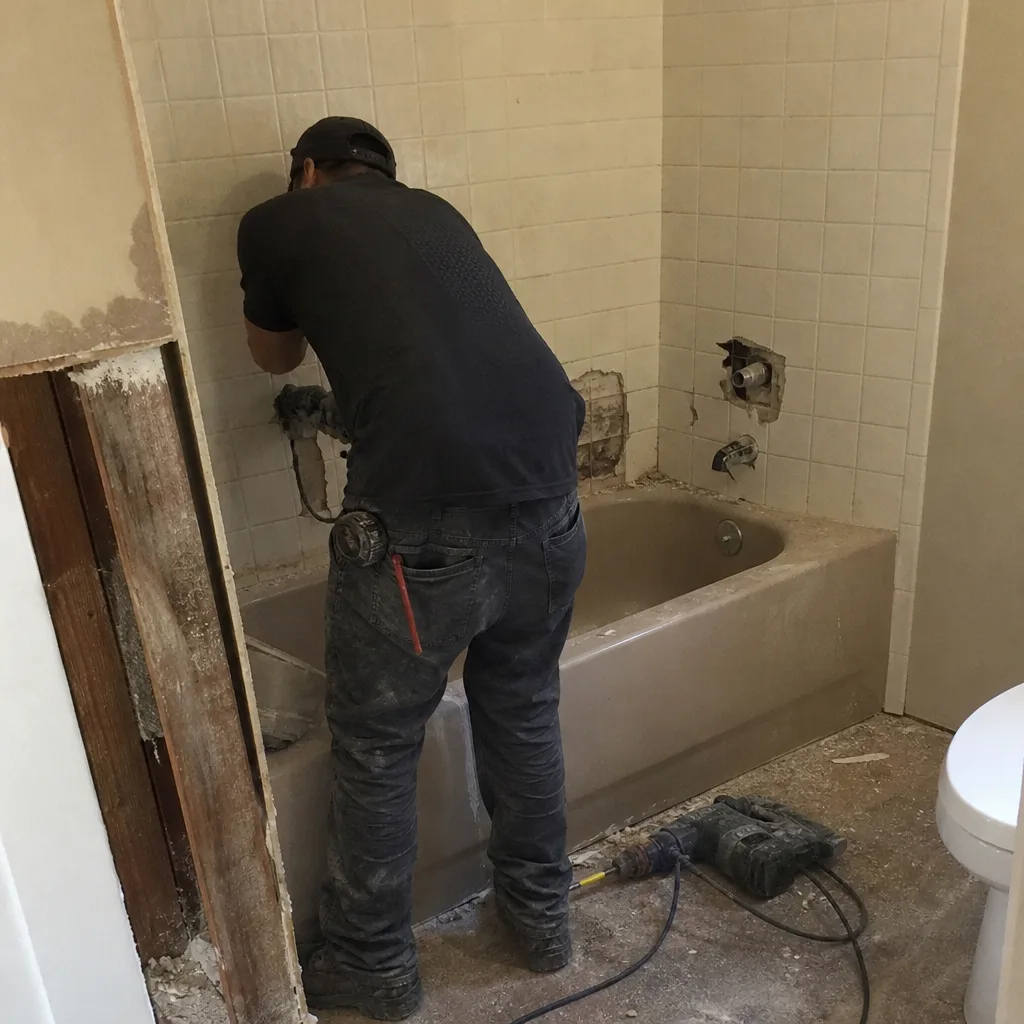 Before
 After
 Before
 After
 Before
 After
When to Call a Professional
If your project involves structural changes, electrical or plumbing work, roofing, or any scope that requires a permit, you need a licensed professional. More specifically, if you’re planning a remodel that touches multiple systems, a full-scope general contractor is the only practical option. The time to think through license verification, insurance, and contract terms is before you sign, not after the first check is written. Home Renovation in Colton projects, like those in Victorville, reward homeowners who do the upfront work. Stallion Contractors offers free estimates in Victorville – call (855) 600-3192 to talk through your project scope and get a written line-item quote.
Frequently Asked Questions
Go to the CSLB website, enter the license number, confirm the business name and classification match the contract, then call the phone number on the CSLB record and ask for the license holder by name. If the call doesn’t connect to the right person, the license may be borrowed.
Call (855) 600-3192 to talk with a licensed Victorville contractor who will walk you through the verification in real time.
A mid-range kitchen remodel in Victorville typically runs $35,000 to $75,000 depending on cabinet lines, countertop materials, and whether walls or plumbing are moving. A high-end remodel with custom cabinetry and Cambria or Silestone countertops can exceed $100,000.
For an exact quote on your kitchen, call (855) 600-3192 and we’ll put together a line-item estimate at no charge.
A typical whole-home remodel in Victorville takes four to eight months from permitting to final inspection, depending on scope. Plan check alone can take three to six weeks during busy periods, and material lead times for cabinets and windows can add another six to ten weeks.
A B license is a general building license that allows the holder to contract for projects spanning multiple trades. A C license covers a specific specialty like roofing, electrical, or plumbing. For any project touching multiple systems, hire a B-licensed contractor.
Yes, if you’re moving plumbing, altering electrical, or changing the structure. A cosmetic bathroom refresh, meaning new paint, new vanity, and new fixtures in the same locations, typically doesn’t require a permit. Ask your contractor to confirm in writing before work begins.
Ask for a written change order that explains what changed, why it changed, and how much it costs. If the work is outside the original scope and the price is documented, the request may be legitimate. If the contractor is demanding more money for work already covered in the contract, that’s a red flag.
If you’re unsure whether a change order is fair, call (855) 600-3192 and we’ll give you an honest read.
The Bottom Line
Hiring a construction contractor in Victorville is a process of verification, not attraction. The contractor with the best marketing and the lowest bid is not necessarily the contractor who will show up, pull permits, and finish the job. Verify the license, confirm the insurance, ask the permit questions, decode the bid, and sign a contract that anticipates delays instead of pretending they won’t happen. Victorville’s growth has drawn good contractors and bad ones. The homeowners who do the upfront work get the good ones. Your project managed start to finish, from the kitchen to the roofline, is the standard you’re paying for.
Written by the team at Stallion Contractors, serving Victorville since 2011.