

Last updated October 30, 2026
 Home additions & ADU
 Kitchen remodeling
 Bathroom remodeling
 Roofing
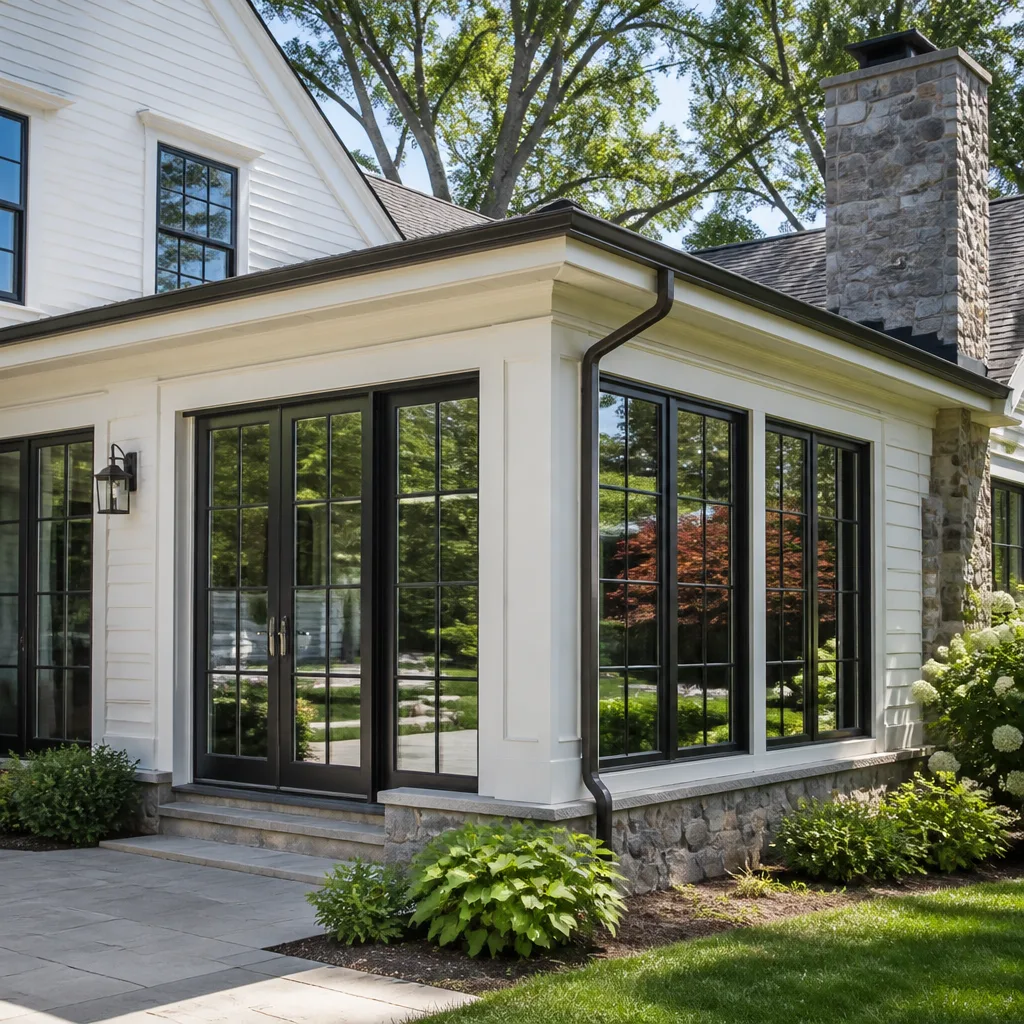 Windows & doors
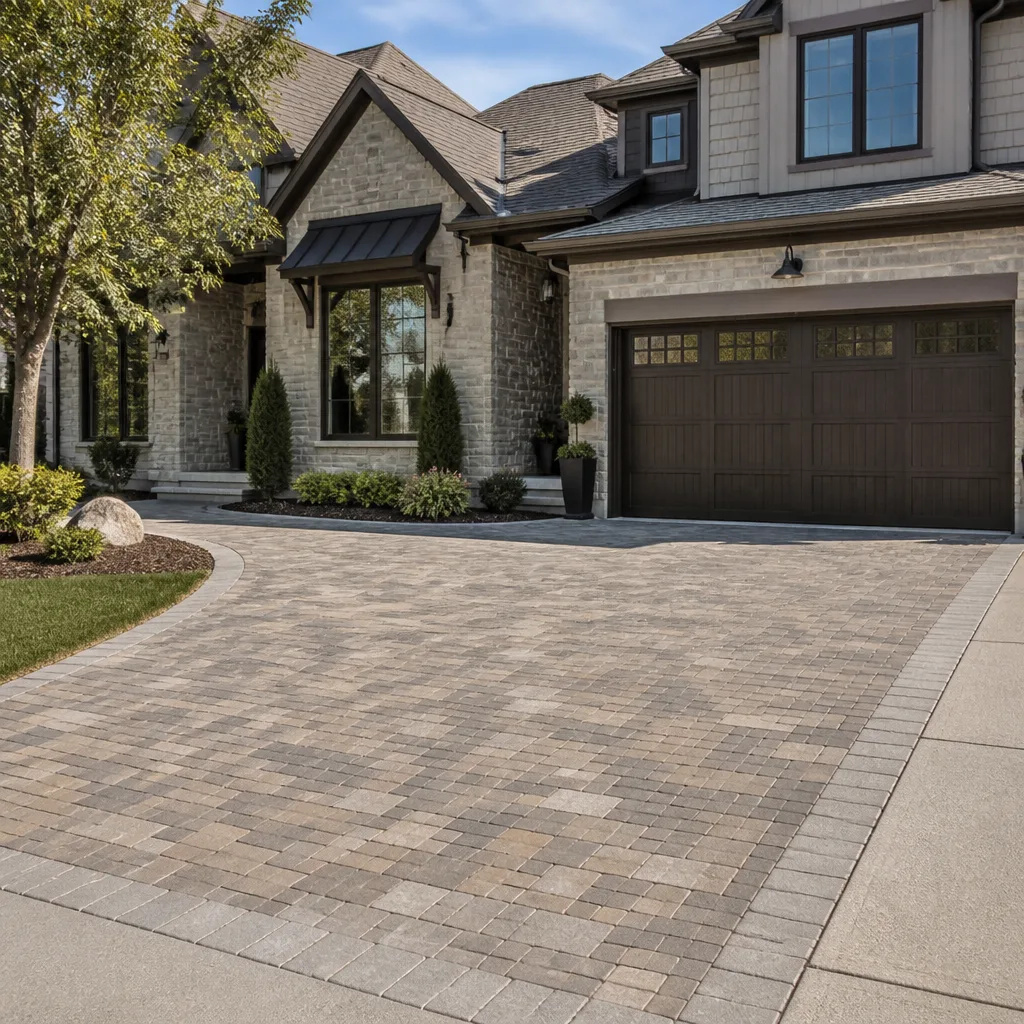 Driveway & pavers
 Fence
Free written scope consultation - allowances, timeline, and change-order rules on paper before a single trade is scheduled
The Complete General Contractor Guide for Victorville Homeowners
Here is a fact most Victorville homeowners never hear before signing a remodel contract: a licensed general contractor can legally hand your $80,000 kitchen renovation to a subcontractor you’ve never met, who buys materials from a supplier you’d never approve, and nothing in the state’s licensing requirements prevents any of it. The license proves the GC passed a test and carries insurance. It says nothing about the vendors, brands, and trade partners who will actually do the work inside your Victorville home. This guide reframes how you should evaluate a general contractor, starting with the one question that reveals more than any license check ever will: who exactly are their material and trade partners, and what happens when those relationships are tested? For a deeper look at the full process, see The Complete Guide to Construction in Victorville.
Styles & brands we work with
Quick Answer
General Contractor services in Victorville manage your renovation project end to end: they pull permits, hire and schedule subcontractors, order materials, and carry the liability if something goes wrong. The most important thing to vet is not the license itself, but the contractor’s vendor and trade partner relationships, because those determine the actual quality of materials and workmanship that show up on your job. Ask for a written brand partner list, confirm they handle San Bernardino County permitting directly, and never sign a contract that does not name the project scope, material allowances, and change order process in writing.
Table of Contents
- What a General Contractor Actually Does in Victorville
- How to Read a GC’s Brand Partner List as a Quality Signal
- Coordinator vs. Owner: The Difference That Determines Whether Your Timeline Holds
- Victorville and San Bernardino County Permits: What Actually Slows Projects Down
- Why a Single Contract Protects You More Than Saving Money on Separate Bids
- Bid-Phase Questions That Reveal Real Vendor Accountability
- What Home Renovation Costs Look Like in Victorville
- Common Mistakes to Avoid
- When to Call a Professional
- Frequently Asked Questions
- The Bottom Line
What a General Contractor Actually Does in Victorville
A general contractor is the single party responsible for delivering your renovation from the first demolition swing to the final walkthrough. In practice, that means three things happen under one contract. First, the GC pulls all required permits from the City of Victorville and San Bernardino County. Second, the GC hires, schedules, and manages every subcontractor: framers, electricians, plumbers, tile setters, roofers, drywall crews, painters. Third, the GC orders and coordinates all materials, from wallboard to cabinet hardware, so that the right product arrives at the right phase instead of stacking up in your garage for six weeks.
The value of that coordination is easiest to see when it fails. A Victorville homeowner who hires a plumber, a tile contractor, and a cabinet installer separately becomes the project manager by default. When the tile setter is delayed by two weeks and the plumber can only return on a specific date, nobody adjusts the schedule but you. A general contractor absorbs that complexity entirely. From the kitchen to the roofline, one contractor carries every trade.
In Victorville specifically, the coordination problem carries extra weight. The city’s housing stock ranges from 1970s ranchers in neighborhoods off Bear Valley Road to newer construction near the Mall of Victor Valley and up toward Spring Valley Lake. Older homes routinely require structural surprises once walls open up: outdated wiring, non-standard framing, or slab conditions that were acceptable under codes decades ago but fail today’s requirements. A GC who has worked across that age range knows what to expect and builds it into the schedule. One who has not will discover it live, on your timeline and your budget.
Key point: The general contractor’s job is not just to build. It is to know what will happen before it happens, and to have a plan for it. That knowledge comes from local experience and stable vendor relationships, not from any licensing exam.
Explore our Stallion Contractors home page to see the full scope of work we manage under one contract.
How to Read a GC’s Brand Partner List as a Quality Signal
Every Victorville remodeler will tell you they use quality materials. Very few can hand you a written list of brand partners and explain why each one is on it. That list is the single most revealing document you can request during the bid phase, because it tells you whether the contractor has real vendor accountability or just a vague commitment to sourcing whatever is cheapest that week.
Here is how to read it. A contractor who can name specific manufacturers across multiple trades, like GAF for roofing, Schluter for tile edge systems, and Grohe for plumbing fixtures, is telling you something concrete: they have done enough volume with those manufacturers to maintain accounts, understand installation requirements, and in many cases carry warranty obligations that are tied to certified installation. A contractor who says they source from local suppliers without naming anyone is not necessarily dishonest. But they are leaving material selection to the moment of purchase, which means the decisions that determine your roof’s lifespan or your shower pan’s waterproofing are being made by availability and price, not by specification.
There is a difference between a brand being available at a supply house and a brand being part of a contractor’s working roster. Anybody can walk into a building supply yard and buy GAF shingles. Not every contractor has installed them on a hundred Victorville roofs through high-wind spring seasons and triple-digit summer heat. The partnership matters because manufacturers like GAF back their products with warranties that require installation by credentialed contractors. When your contractor is already credentialed, the warranty chain is unbroken. When they are not, you may be buying a brand name without the protection that name is supposed to carry.
Schluter is a useful example on the interior side. Schluter manufactures waterproofing and tile edge systems that are widely considered the benchmark for shower and wet-area construction. But Schluter products are demanding: they require precise substrate preparation and specific application methods. A contractor who specifies Schluter is signaling that their tile subcontractors are trained to install it correctly. A contractor who uses no-name waterproofing may be saving a few hundred dollars and risking a leak that costs tens of thousands to remediate.
The pattern applies across every trade: countertops, cabinetry, windows, fencing, pavers. Ask for the list. Then ask one follow-up question: how long have you worked with each of these brands, and who on your team is credentialed to install them?
Coordinator vs. Owner: The Difference That Determines Whether Your Timeline Holds
Most people assume all general contractors are the same because the state issues one license category. But within that category there is a practical split that matters more than any credential: some GCs coordinate trades, and some GCs own the scope. The difference determines what happens to your Victorville renovation when the schedule slips, which it will.
A coordinating GC operates like a dispatcher. They hire a framing crew, a drywall crew, an electrical sub, and a tile team, then schedule them in sequence. When one trade runs long, everything after it moves. The coordinator’s leverage with the next trade is limited because the relationship is transactional. The plumber had two other jobs lined up and cannot come back for three weeks. The tile setter starts another project. The schedule cascades, and the homeowner watches their kitchen sit half-finished with no clear recovery date.
A GC who owns the scope runs the project differently. They have established relationships with trades they have worked beside on dozens of jobs, often in the same Victorville neighborhoods. Those trades prioritize the GC’s projects because the GC feeds them steady work. When a delay hits, the GC reorganizes the sequence in ways a coordinator cannot. They may pull a second crew, resequence a less critical phase, or negotiate directly with a trade partner who has agreed to flexibility as part of the relationship.
One contractor. Every trade. That phrase is not a marketing line. It is a description of how accountability actually works. The owner-of-scope model costs more on the front end because the GC runs a tighter operation. But the cost of a slippled coordinator project, in rent paid on a delayed ADU, in months without a functional kitchen, in the stress of chasing subcontractors yourself, usually exceeds that difference.
Ask every Victorville GC you interview this question: when a trade runs behind on your projects, what specifically do you do to recover the schedule? If the answer is vague, you are talking to a coordinator. If the answer names specific tactics and specific trade partners, you are talking to someone who owns the outcome. You can also review our General Contractor in Colton page to see how we apply the same full-scope model in neighboring markets.
Victorville and San Bernardino County Permits: What Actually Slows Projects Down
Every city in California requires permits for structural work, and Victorville is no exception. What surprises homeowners is not that permits exist, but how much local administrative knowledge determines whether a project moves through the City of Victorville Building and Safety Division smoothly or stalls for weeks. A general contractor who has pulled permits in Victorville dozens of times knows the city’s plan review rhythm, the preferred document formats, and the inspection points that most commonly trigger corrections. A GC from outside the High Desert may know California code perfectly well and still lose a month to resubmissions.
Here is what that looks like in practice, presented as a working sequence:
- Plan check and submittal. Your GC prepares drawings and submits them to the City of Victorville. Residential remodels typically require architectural drawings, structural calculations when walls or roof lines change, and energy compliance documentation under Title 24. The city reviews for building code, zoning compliance, and fire safety.
- Corrections and resubmittal. Most first submissions come back with corrections. A GC who works routinely in Victorville knows what the plan reviewer flags most often, and many are avoided on the initial submission. That alone can save two to three weeks.
- Permit issuance. Once approved, the permit is issued and the job can start. Delays here often come from missing contractor licensing documentation or incomplete scope descriptions.
- Rough inspections. After framing, electrical, plumbing, and mechanical rough-in, the city inspects before walls are closed. A GC who knows the local inspectors’ focus areas schedules inspections with realistic pass rates.
- Final inspection and sign-off. The final covers the finished scope. Minor corrections at this stage are common, but a seasoned Victorville GC anticipates them.
San Bernardino County involvement typically applies to properties in unincorporated areas or specific aspects like septic, grading, and certain water system questions. Victorville homeowners inside city limits deal primarily with the City of Victorville for building permits, with county jurisdiction on select issues. A GC who has done both knows the boundary lines and does not waste your time on the wrong agency.
For any project involving structural changes, a new roof, window replacement, or significant electrical or plumbing work, assume a permit is required. Unpermitted work can affect your ability to sell the home later and may not be covered by homeowners insurance if something fails.
Why a Single Contract Protects You More Than Saving Money on Separate Bids
There is a persistent belief among Victorville homeowners that hiring separate contractors for each trade saves money compared to hiring one general contractor. The logic seems sound: eliminate the GC’s markup and you pay trade rates directly. The problem is that the logic ignores three layers of cost that only appear when the project is already underway.
First, there is the coordination cost. A whole-home renovation in Victorville involves a sequence of trades that must happen in a specific order. Framing before electrical. Electrical before drywall. Drywall before paint. Tile before cabinet installation. When you manage those trades yourself, any delay in one reshuffles the entire sequence, and each trade charges you for the disruption. A GC’s contract absorbs those schedule risks into a fixed scope and a fixed price.
Second, there is the accountability question. When a plumber you hired directly floods your newly tiled bathroom, the plumber may accept fault. Or they may blame the tile setter, who blames the cabinet installer, who blames the water line roughed in by someone else. When one GC holds a single contract, there is no gap. One contract means one responsible party, and any failure between trades is the GC’s problem to resolve, not yours to litigate.
Third, there is the material procurement advantage. A general contractor who maintains accounts with manufacturers and suppliers across every trade buys at volume pricing and receives priority allocation. That advantage frequently offsets the markup that homeowners fear. More importantly, the GC carries the warranty relationships for each material. When a countertop fails or a roofing membrane delaminates, the manufacturer’s warranty process goes through the contractor who specified and installed the product. A homeowner managing trades independently must navigate those warranty claims alone.
Our Home Remodeling in Colton page lays out how the single-contract model works across full interior scopes, and the same principles apply to Victorville projects of any size.
Bid-Phase Questions That Reveal Real Vendor Accountability
Most Victorville homeowners go into a bid meeting with generic questions: how long have you been in business, can I see references, what does the timeline look like. Those questions do not separate a contractor with real vendor accountability from one with a long list of names and no relationships behind them. Here are the questions that do.
- “Can you give me a written list of your material brand partners for this project, and explain why you specify each one for my scope?” A real answer names specific manufacturers and specific reasons: this roofing brand for wind resistance, this waterproofing system because it carries a warranty we are credentialed to install. A vague answer about sourcing locally tells you enough.
- “Which of those brands require certified installation, and are your crews currently certified?” GAF roofing certification, Schluter waterproofing credentials, and similar programs require ongoing training and reauthorization. A contractor who cannot answer this clearly may be selling you a warranty that does not exist.
- “When a trade partner falls behind on one of your Victorville projects, what do you do to recover the schedule?” This question separates the owner-of-scope GC from the coordinator. Listen for specific tactics, not assurances.
- “What permits does my project require in Victorville, and what does your experience tell you about how long plan review will take right now?” A GC who has been through City of Victorville review recently can answer with current timeframe ranges. One who hesitates is guessing, or worse, planning to skip permits.
- “Who is the single person accountable for my project if something goes wrong, and is that written into the contract?” If the contract does not name a project lead and a dispute resolution path, you are signing a hope, not a contract.
- “What do your change orders look like, and when do you issue them?” In renovation, surprises happen. A good GC writes change orders for any scope change with a clear price before work proceeds, and never makes you pay for their estimate errors.
These questions do not need to feel aggressive. A capable Victorville general contractor will welcome them, because they signal a homeowner who understands that the contract is only as good as the relationships behind it. Our Home Renovation in Colton guide walks through the same vendor-vetting principles for major renovation scopes.
What Home Renovation Costs Look Like in Victorville
Every cost conversation in Victorville must start with the same caveat: no responsible contractor will give you a real price without seeing the site and reviewing the scope. For detailed pricing benchmarks, see our Construction Cost Breakdown: The Victorville Homeowner’s Reference for 2026. That said, knowing typical ranges helps you evaluate whether a bid is reasonable or an outlier. The figures below reflect the Victorville and High Desert market for mid-range to premium materials, which is the tier most homeowners pursuing a substantial renovation target.
- Kitchen remodel (full gut, mid-range finishes): $45,000 to $95,000, varying by cabinet line, countertop selection, appliance placement, and whether plumbing or electrical must relocate. A kitchen with Sterling or Grohe fixtures and a stone countertop lands on the higher end.
- Primary bathroom remodel (full gut): $28,000 to $60,000. Waterproofing system choice (like Schluter), tile selection, and curbless shower options are the largest variables.
- Roof replacement (composite shingle): $18,000 to $40,000 depending on roof complexity, pitch, and whether the existing roof has one or multiple layers to tear off. GAF-certified installation tends to be competitively priced against non-credentialed roofers when you compare warranty value.
- Window and door replacement (whole home, 10 to 15 openings): $20,000 to $50,000. The spread reflects frame material, glass package, and whether new construction flanges are required versus retrofit inserts.
- ADU or prefab structure installation: Highly variable. A traditional stick-built ADU in Victorville typically starts near $150,000 and climbs with site work, while prefab options can compress costs and timelines but require foundation, utility, and permit work that many homeowners underestimate.
- Exterior hardscaping (paver patio, walkways, retaining features): $15,000 to $50,000 for typical Victorville lot sizes, driven by square footage, base preparation, and paver line selection.
Do not select a contractor on price alone. A bid that comes in 20% below the next closest proposal is usually hiding something: excluded permits, unspecified material grades, or a schedule that assumes no surprises. A bid that comes in 20% above may be padding, or may reflect a contractor who builds realistic contingencies and carries stronger vendor partnerships. Ask what each line item includes, and never accept an allowance-based bid without seeing the actual material and fixture specs behind each allowance number.
Common Mistakes to Avoid
- Hiring before checking the brand partner list. A contractor who cannot name their material vendors in writing is outsourcing your material quality to whoever is cheapest this month. Ask for the list before you sign anything.
- Assuming the license is enough. The CSLB license proves legal eligibility, not workmanship quality or vendor accountability. Verify the license, then vet the relationships.
- Skipping permits to save time. Unpermitted work in Victorville creates problems at resale and may void your insurance. A contractor who suggests skipping permits is not doing you a favor.
- Managing trades yourself to save the GC markup. The coordination burden lands on you, warranty claims become your job, and schedule delays multiply. The savings usually disappear by the second delay.
- Accepting a bid based on allowances without specs. Allowances for cabinets, countertops, fixtures, and tile should come with named products or at minimum named tiers. A $10,000 cabinet allowance means very different things across brands.
- Signing a contract without a change order process. Surprises are normal in renovation. A missing change order clause means every surprise becomes a dispute. Your contract should state how change orders are priced, approved, and documented.
- Choosing a contractor from outside the High Desert. A Los Angeles or Orange County GC may be fully competent, but their unfamiliarity with Victorville’s building department rhythms and San Bernardino County requirements will cost you time on their learning curve.
When to Call a Professional
Some renovation decisions can wait, but there are moments when calling a professional immediately is the financially responsible move. If you have water staining on a ceiling or wall, call a GC before the damage spreads into framing or electrical. If you see cracks wider than a quarter inch in your foundation or exterior walls, get a structural assessment. If your roof is past its expected lifespan or has missing shingles after a Victorville windstorm, a contractor can assess whether you need repair or replacement before interior damage begins. If you are considering an ADU, speak with a contractor who understands both traditional construction and prefab options before you invest in architecture. Stallion Contractors offers free estimates in Victorville, and you can reach us at (855) 600-3192 to schedule one.
Frequently Asked Questions
General contractor fees in Victorville typically run 15% to 25% of the total project cost on top of materials and trade labor, with most full-scale renovations landing between 18% and 22%. The percentage covers project management, scheduling, permit coordination, and liability coverage. Call (855) 600-3192 for a free estimate with detailed scope-based pricing.
Yes, most remodels in Victorville require permits from the City of Victorville Building and Safety Division, including structural changes, electrical work, plumbing changes, roof replacement, and window or door replacement. A qualified GC handles the permit process as part of the contract. Avoid any contractor who suggests skipping permits to save time; the long-term liability is not worth the short-term speed.
A full kitchen remodel in Victorville typically takes 8 to 14 weeks from demolition to final inspection, depending on the scope. Custom cabinetry, plumbing relocation, and permit review timelines are the most common schedule drivers. A GC who is familiar with the City of Victorville’s current plan review turnaround times can give you a realistic schedule during the bid phase. Call (855) 600-3192 to discuss your project timeline.
Look for named manufacturers across the trades your project touches: roofing, cabinetry, countertops, plumbing fixtures, waterproofing, windows, and hardscaping. More importantly, the contractor should be able to explain why each brand is on the list and confirm that their crews are credentialed to install the products correctly. A list of 50-plus named partners is a stronger signal than a vague promise to source locally.
It may appear cheaper on paper, but homeowners who self-manage a Victorville renovation typically end up paying more in schedule delays, change orders, and warranty gaps than they saved on the GC’s fee. A single contract with one responsible party also protects you from the finger-pointing that happens when independent trades blame each other for problems.
Yes, and a growing number of Victorville homeowners are using general contractors to explore both traditional stick-built ADUs and prefab options from manufacturers like Abodu, Dvele, and Plant Prefab. The permit, foundation, utility, and site work requirements apply either way. A GC with experience in both methods can give you an honest comparison of cost and timeline.
The Bottom Line
Hiring a general contractor in Victorville is not about finding the lowest bid. It is about finding a contractor whose vendor relationships, trade partnerships, and local permitting knowledge mean that the project you sign for is the project you get. Read the brand partner list as a quality signal. Ask the bid-phase questions that reveal real accountability. Insist on a single contract with a clear change order process. And remember that from the kitchen to the roofline, one contractor who owns the scope will always outperform a coordinator who merely schedules it. Built to the standard your home deserves, and managed by a team that has the material roster to back it up.
Call (855) 600-3192 to schedule your free estimate with Stallion Contractors. We serve Victorville and the surrounding High Desert communities with full-scope residential renovation under one contract.
Written by the team at Stallion Contractors, serving Victorville since 2011.
See the difference
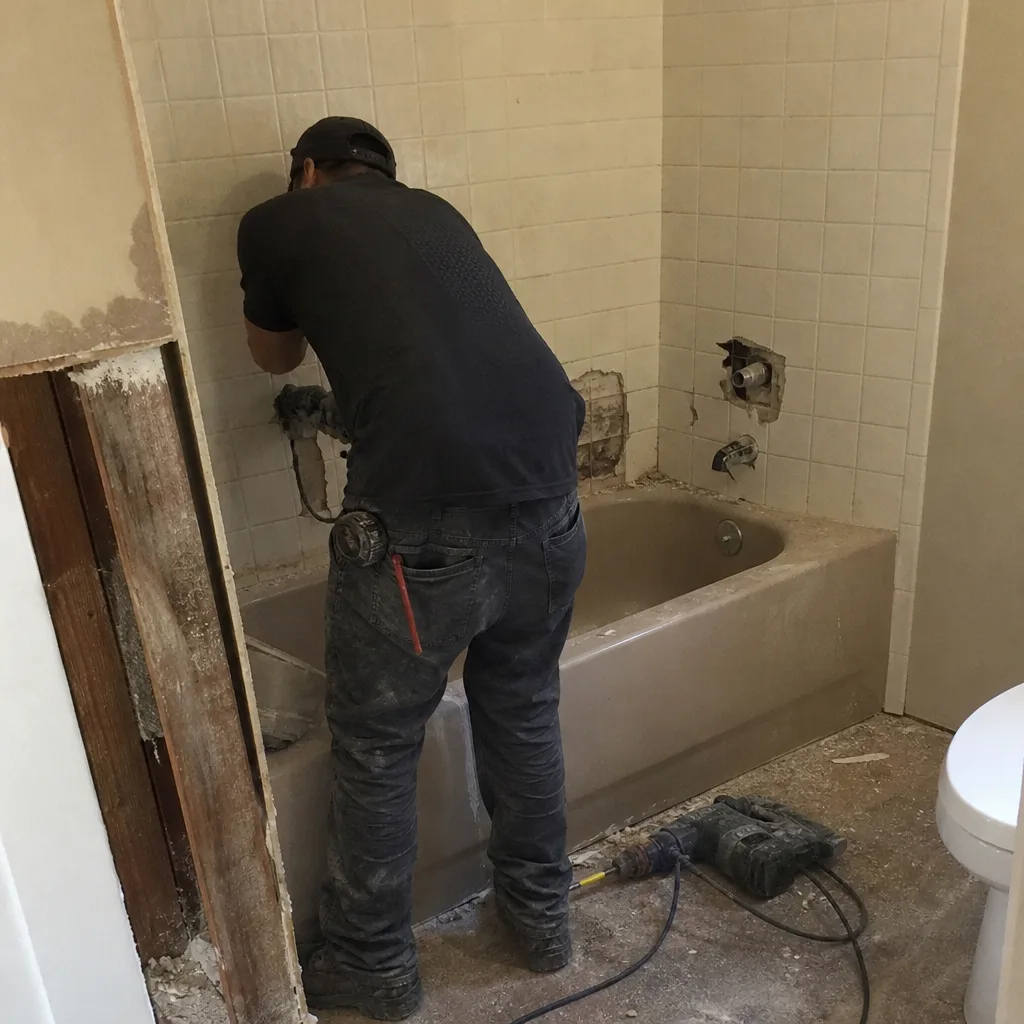 Before
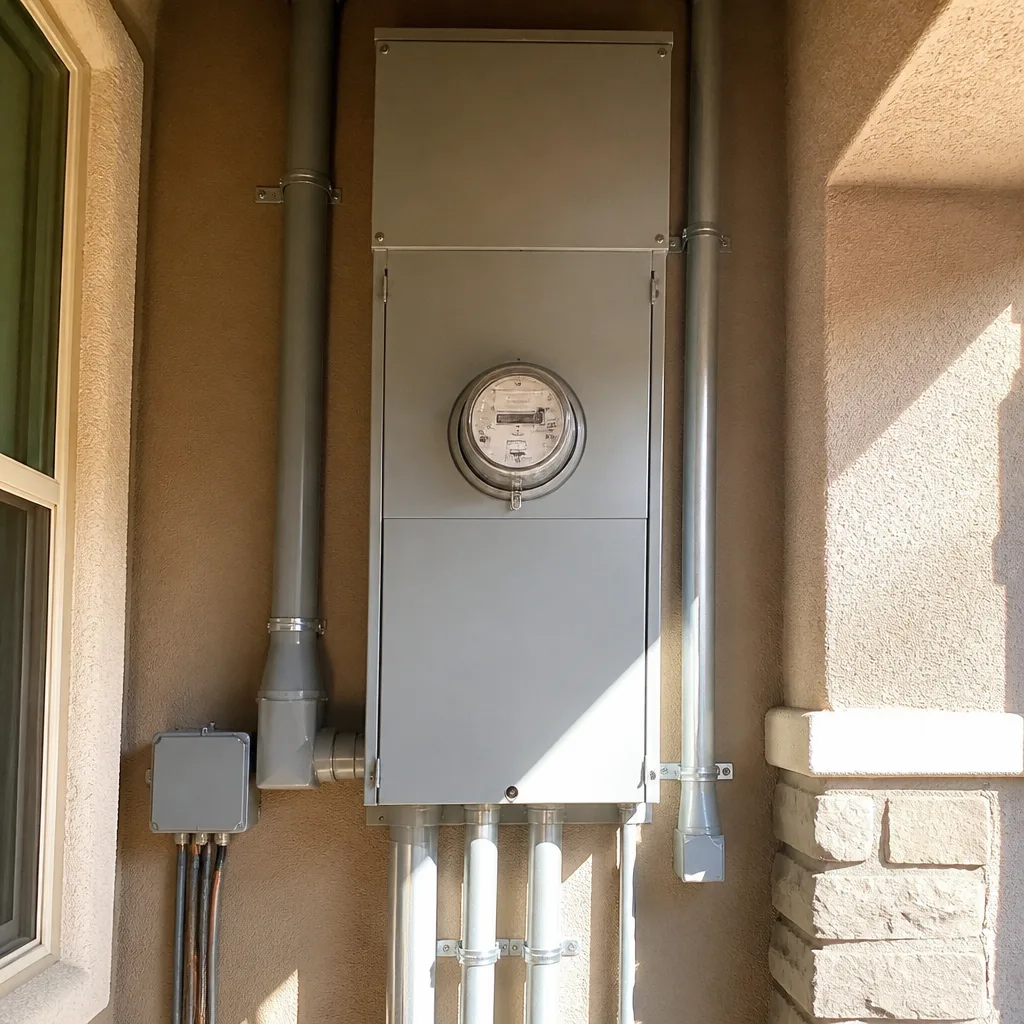 After
 Before
 After
 Before
 After