

Last updated October 30, 2026
 Home additions & ADU
 Kitchen remodeling
 Bathroom remodeling
 Roofing
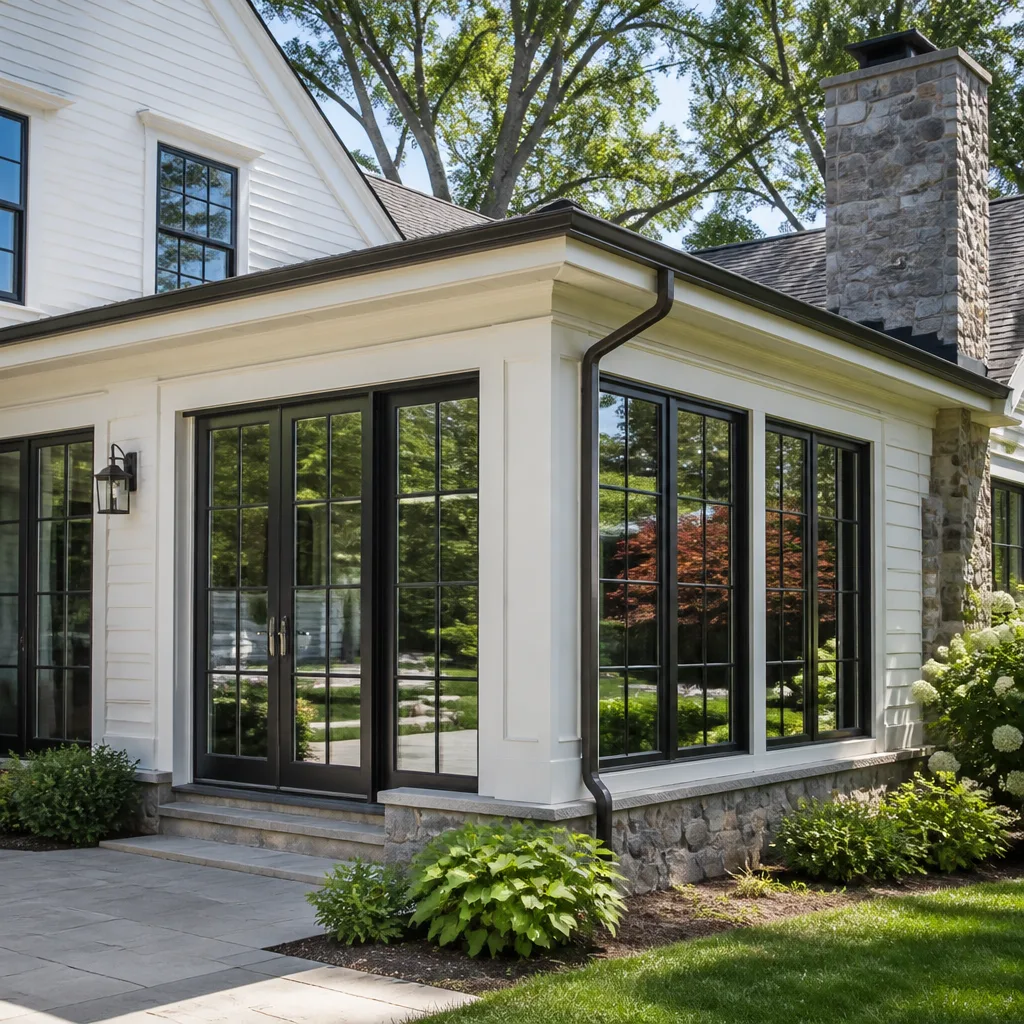 Windows & doors
 Driveway & pavers
 Fence
Free written scope consultation - allowances, timeline, and change-order rules on paper before a single trade is scheduled
Construction Emergency Preparedness Guide for Victorville Homes
The National Weather Service issues High Wind Warnings for the Victor Valley corridor multiple times each year, with gusts regularly exceeding 60 mph – enough to displace roofing tiles, collapse patio covers, and drive water under improperly flashed eaves in a single overnight event. Most Victorville homeowners don’t realize the gap between a contained incident and a $50,000 loss is usually measured in the first two hours of response. This guide gives you a working plan for that window: what to document now, what to do first when something fails, how to handle your insurance adjuster, and how to find a contractor who isn’t a storm-chaser with a rented truck and a clipboard.
Quick Answer
Construction emergency preparedness for Victorville homes means having a pre-event documentation system, a two-hour response plan for roof and water damage, a shortlist of vetted local contractors, and a clear understanding of which failures are emergencies versus which can wait until morning. The four threats that matter most in this specific High Desert climate are wind-driven roof damage, monsoon flash flooding, HVAC failure during triple-digit heat waves, and seismic events on nearby fault systems. Prepared homes recover in days; unprepared homes turn a $1,500 roof repair into a $40,000 interior remediation.
Styles & brands we work with
Table of Contents
- The Four Victorville-Specific Emergency Scenarios
- Pre-Emergency Documentation: What to Have Before Something Fails
- The Two-Hour Window: Immediate Response Protocol
- Roof Damage: Containing the Bleed Before a Contractor Arrives
- Water Intrusion: Flash Flood and Wind-Driven Rain Response
- Working With Your Insurance Adjuster in the First 72 Hours
- Emergency Contractor Vetting: Avoiding Storm-Chasers in San Bernardino County
The Four Victorville-Specific Emergency Scenarios
Victorville sits at roughly 2,700 feet in the High Desert, where the climate creates a distinct set of structural stresses. Homes here face conditions that coastal and valley contractors rarely account for, and that gap shows up in the failure patterns we see repeatedly after weather events.
High Desert wind events are the most common and most underinsured threat. The Victor Valley corridor funnels wind through the Cajon Pass and across the Mojave River basin, creating sustained gust patterns that lift shingles, tear flashing, and torque patio covers. Tile roofs in the Spring Valley Lake and Eagle Ranch neighborhoods take particular abuse because the tiles themselves become projectiles once the underlayment separates. Wind-driven rain doesn’t fall, it travels sideways, finding entry points under eaves and around window frames that vertical rain would never reach.
Monsoon flash flooding arrives in July through September, when afternoon thunderstorms dump an inch of rain in thirty minutes onto ground baked hard by 100-degree heat. The soil can’t absorb it, so water sheets across compacted desert ground and finds the lowest point, which is often a sunken garage or a below-grade entry door. Victorville’s drainage infrastructure was designed decades ago for lower-intensity storms, and the newer developments north of Bear Valley Road have stretches where runoff overwhelms the curb channels quickly.
HVAC failure during heat waves is the least dramatic emergency but the most likely to injure someone. When temperatures sit at 105-plus for five consecutive days, a failed compressor turns a house into a heat box within hours. Elderly residents, infants, and anyone with respiratory conditions face real risk. The emergency isn’t the HVAC unit itself; it’s the occupant exposure, which is why response time matters more than parts availability.
Seismic events on the San Andreas, San Jacinto, and Helendale fault systems are the low-probability, high-consequence scenario. Victorville sits within shaking distance of all three. A magnitude 6.5 or greater event would produce structural damage ranging from cracked foundations to displaced roof framing. The preparation for this overlaps heavily with the other three scenarios: knowing your home’s weak points, having documentation in order, and having a contractor relationship already established.
The common thread across all four scenarios is speed. Wind and water damage compound hourly. Heat emergencies compound in minutes. Seismic damage compounds as aftershocks stress already-fractured framing.
Pre-Emergency Documentation: What to Have Before Something Fails
The single most valuable thing you can do before any emergency happens costs less than $100 and takes one weekend afternoon. It’s documentation. When a roof fails at 2 a.m. during a wind event, the last thing you want is to be fumbling through a dark garage looking for your insurance policy number or trying to remember what the roof looked like before the storm.
Here’s what to assemble now, while the sun is up and nothing is leaking:
- Take a complete photo set of your home’s exterior – all four elevations, the roof from multiple angles (drone shots if you have access to one), the fence line, patio covers, windows, and doors. Date-stamp them or save them to a folder with the date in the name. These “before” photos are what insurance adjusters use to distinguish pre-existing conditions from storm damage.
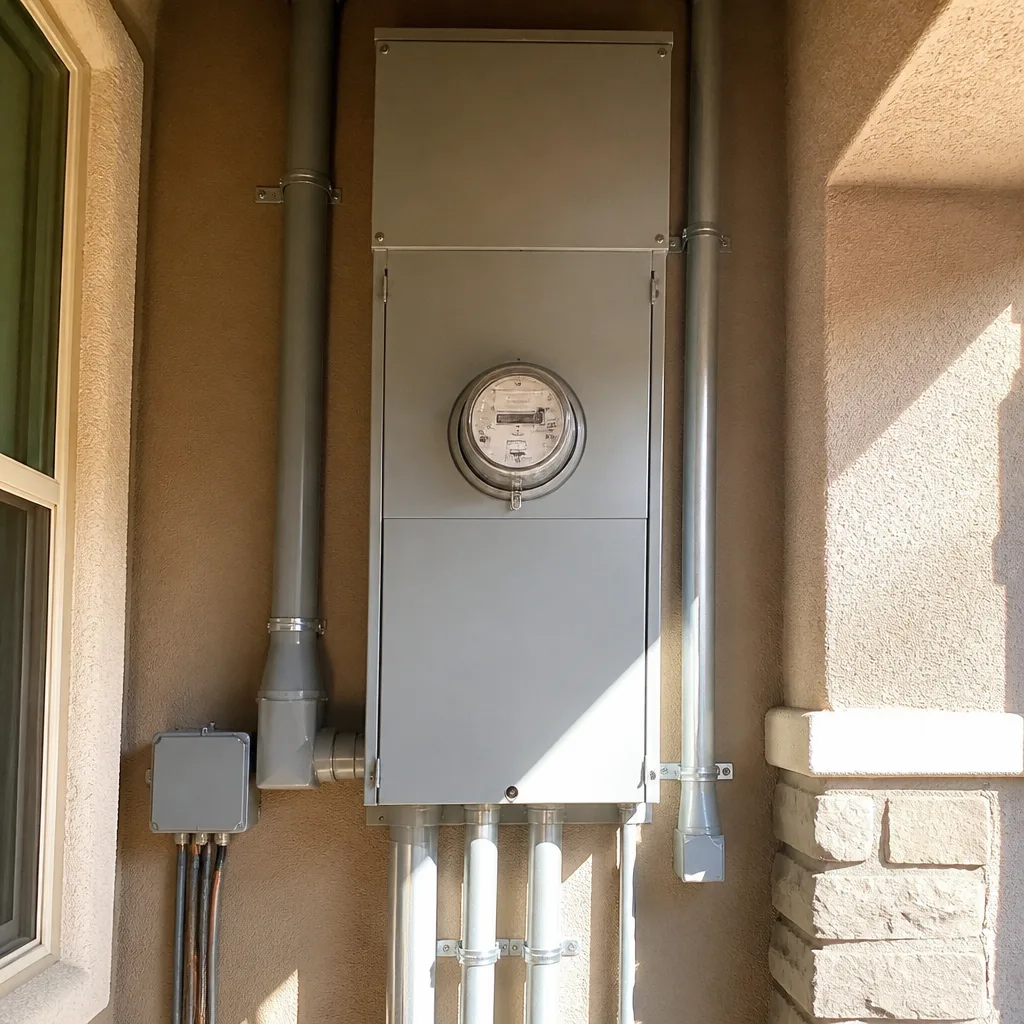
- Photograph your utility shutoff points – main water valve, gas meter shutoff, electrical panel. Label each photo with a note about how to access and operate the shutoff. In a flood or seismic event, the person who reaches the shutoff first saves thousands of dollars.
- Keep a digital folder with your insurance declarations page, policy number, agent phone number, and the direct claims line. Store it in the cloud, not just on a computer that lives in the house.
- Maintain a contractor contact list with at least two names: one general contractor for structural and water-related work, and one HVAC contractor for heat emergencies. Include phone numbers and note whether each has actually worked on your home before or provided a prior quote.
- Document every improvement you’ve made – receipts, photos, and scope notes for the roof, windows, siding, fencing, and any interior work. If a storm destroys your Master Halco fence or James Hardie siding, proving what was there and what it cost to install determines your payout.
- Know your home’s age and original construction details – the year it was built, the roof material and approximate age, the rough square footage, and any known defects. Adjusters ask these questions in the first phone call, and saying “I think it’s tile, maybe twenty years old?” weakens your position.
None of this prevents damage. What it does is collapse the response timeline from hours to minutes. When the insurance adjuster asks for before-photos, you send them. When the contractor asks what brand of window failed, you know it’s a CGI or PGT unit because you photographed the label. When the claims representative asks when the roof was last replaced, you have the receipt. In our experience with Victorville homeowners who’ve been through wind and flood claims, the documentation gap is the single biggest reason payouts come in lower than the actual repair cost.
The Two-Hour Window: Immediate Response Protocol
The first two hours after a construction emergency determine whether you’re dealing with a repair or a remediation. Wind and water don’t pause while you figure out who to call. Here’s the protocol in order of priority, because the order matters more than most homeowners think:
- Protect people first. Evacuate anyone from rooms where the ceiling is sagging, water is pooling near electrical outlets, or gas odor is present. Shut off the main gas valve only if you smell gas and can reach the valve safely. Do not re-enter until a professional has assessed the structure.
- Stop the water at the source. If water is entering through the roof, a window, or a door, shut off the main water supply only if the water is from a plumbing failure. For weather-driven water, move directly to step three. If the water is from a burst pipe or failed appliance, the main shutoff is your highest priority after people.
- Contain the spread. Move furniture, rugs, electronics, and anything else that holds water or gets destroyed by it out of the affected area. Use tarps, plastic sheeting, towels, buckets, anything. Even a partially effective containment buys hours.
- Document everything immediately. Take wide-angle photos showing the extent of the damage, then close-up photos of specific failures: the lifted shingle, the buckled drywall, the water line on the baseboard. Video is even better because it captures the scope in motion. Do this before you move anything else – the post-move photo never tells the same story.
- Call your insurance company’s claims line. Not your agent, the claims line. The number is on your declarations page. Report the loss, get a claim number, and ask for the earliest available adjuster visit. In peak storm seasons, adjusters book out a week or more, and early reporting puts you higher in the queue.
- Call a contractor who has actually worked in Victorville. Not a national service that might dispatch someone from San Bernardino or Riverside, and definitely not a crew that knocked on your door offering “free inspections.” A contractor who knows High Desert construction understands what wind-driven rain does to stucco and tile, what monsoons do to slab foundations, and what the local permit office requires for repairs.
That’s the two-hour protocol. It sounds simple, but the percentage of homeowners who actually execute it under stress is low. The ones who do are the ones who recover within their deductible instead of financing a five-figure out-of-pocket remediation.
Roof Damage: Containing the Bleed Before a Contractor Arrives
Roof damage in Victorville follows a predictable pattern. Wind gets under the edge of the roofing material, lifts it, and creates an opening. Then rain, which doesn’t need much of an opening, follows the path of least resistance into the attic and down into the ceiling drywall. A roof that loses ten square feet of shingles in a 60-mph gust can funnel hundreds of gallons of water into a house overnight.
Safety first: do not climb onto a damaged roof during or immediately after a wind event. We’re saying this outright because every storm season, someone decides to “just take a quick look” and ends up in the emergency room. A roof that has lost shingles or tiles has also lost its predictable footing. The structural decking underneath may be saturated and soft. The wind may have shifted the roof framing enough to make it unstable. This is one of those moments where the professional’s job is dangerous enough that we don’t want you up there too.
What you can do safely from the ground or from the attic:
- Find the leak’s entry point from inside if the ceiling is sagging: look for water staining on the underside of the roof sheathing in the attic during daylight hours, when gaps show as light leaks.
- If the ceiling is bulging downward with water weight, poke a small hole at the lowest point with a screwdriver and let it drain into a bucket. This seems counterintuitive, but a controlled drainage hole prevents a full ceiling collapse that spreads water and drywall across the whole room.
- Place containers under active drips. Move furniture out of the drip path. Lay plastic sheeting over floors that are in the water’s travel path.
- Take photos of the ceiling stains, the attic entry point, and, if visible from the ground, the damaged roof area.
Don’t attempt to tarp the roof yourself. Tarping a wind-damaged roof safely requires ladders on unstable ground, rope work, and an understanding of how to anchor a tarp so the next gust doesn’t turn it into a sail that rips more shingles off. A contractor with proper fall protection and a crew can do in one hour what a homeowner risks an injury attempting over four hours.
Water Intrusion: Flash Flood and Wind-Driven Rain Response
Flash flood water in Victorville is different from the water that comes through a leaking roof. Floodwater is contaminated – it carries whatever it picked up from the street, the dirt, the neighbor’s yard, and the storm drain system. That changes everything about how you respond.
If water is entering at the ground level – through a door, a garage, a below-grade window well – treat it as contaminated:
- Do not wade through standing water that has been outside the house. It may contain sewage, fuel residue, or worse. If you must enter the area, wear rubber boots that reach above the waterline and gloves that seal at the wrist.
- Cut power to the affected area at the breaker panel if the panel is dry and accessible. Water and electricity are a lethal combination, and floodwater conducts better than clean water.
- Document the water line on every surface before you start removing anything. The high-water mark on walls, cabinets, and door frames is the single most important piece of evidence for your flood claim.
- Start extraction as quickly as you can. A wet-dry shop vacuum removes standing water effectively if you have power. If not, push brooms and squeegees work. The goal is to get the water out of the house before it wicks up into drywall, which happens within hours.
- Open every door and window and run every fan you own. High Desert air is dry, which is a real advantage: a ventilated room in Victorville dries faster than the same room in Long Beach. Use it.
For wind-driven rain that has entered through walls, windows, or the roof, the response is similar but without the contamination concern. The key is speed: pull wet insulation from wall cavities if you can access it, get fans pointed at wet drywall, and dehumidify the space. Drywall that stays wet for more than 48 hours becomes a mold risk, and mold remediation in a closed-up High Desert house is a miserable and expensive project.
Working With Your Insurance Adjuster in the First 72 Hours
Your insurance adjuster is not your adversary, but they are also not working for you. They work for the insurance company, and their job is to settle your claim for the lowest amount the policy supports. That’s not cynicism; it’s the structure of the system. The better your documentation, the less room there is for a lowball offer.
Here’s how to maximize your position in the first three days:
- Report the loss within 24 hours, even if the damage seems minor at first. Late reporting is the number one reason claims get denied or reduced. What looks like a small ceiling stain on day one can become a collapsed ceiling and black mold by day four.
- Don’t clean up anything you don’t have to. Document before you demo. Take photos and video of every affected surface, then take more photos from different angles. If the adjuster hasn’t seen the damage yet, leave a representative sample in place.
- Get your own contractor’s estimate before the adjuster arrives. An independent written estimate from a licensed contractor gives you a baseline to compare against the adjuster’s numbers. If the adjuster says $4,500 and your contractor says $11,000, you have a concrete discrepancy to negotiate, not a vague feeling that the number seems low.
- Ask the adjuster to walk the entire property with you. Point out everything you’ve found, including things that seem minor. Adjusters are human; they miss things, especially in a house with twenty prior claims to inspect that week.
- Keep every receipt for tarps, water extraction equipment, hotel stays if you had to leave, and meals. Most policies cover these as part of the claim.
- Don’t sign anything you don’t fully understand, and don’t accept a cash settlement on the spot. Take the offer, review it with your contractor, and come back if the numbers don’t line up.
A note specific to Victorville: wind damage claims are common in this area, and adjusters who work the High Desert regularly have seen every variation of “the wind tore my roof.” That experience cuts both ways. A well-documented claim with photos, a pre-event roof inspection, and a contractor’s estimate will be settled fairly. A claim with no documentation will be settled as the minimum the adjuster can justify.
Emergency Contractor Vetting: Avoiding Storm-Chasers in San Bernardino County
Every significant weather event in the High Desert brings a wave of unlicensed, out-of-state “contractors” who go door to door with offers of free inspections and same-week installs. They take deposits, tear off roofs, and disappear before the first rain. Some do more damage than the storm did. This is one of the most predictable parts of the Victorville emergency cycle, and it happens every single year.
Here’s how to separate a legitimate local contractor from a storm-chaser:
- Verify the California contractor’s license at cslb.ca.gov. It takes ninety seconds. If the person at your door can’t produce a license number that checks out for the specific trade (and general building for structural work), close the door.
- Ask for a physical address in San Bernardino County. Not a P.O. box, not a cell phone, not an address that Google Maps shows as a vacant lot. A contractor with a real shop, yard, or office within driving distance of Victorville has something to lose if the work fails.
- Never pay more than 10% or $1,000 upfront, whichever is less, on a residential project. This is California law. Any contractor who asks for more before work begins is not someone you want on your property.
- Check for a track record before the storm, not during it. Call the contractor’s references. Ask for photos of completed projects in Victorville, Hesperia, Apple Valley, or Adelanto. A contractor who has been working the High Desert for years has a portfolio and a reputation. A storm-chaser has a magnetic sign and a rental truck.
- Get at least two written estimates and compare them line by line. The cheapest estimate is rarely the best estimate, and after a storm, desperation pricing goes both directions – some contractors lowball to win the job, then change order their way back to profit.
This is where the full-scope contractor model pays off. A homeowner with a relationship with a contractor who handles roofing, siding, fencing, and interior work doesn’t need to vet five different trades in the middle of a crisis. One call, one team, one point of accountability. That’s the difference between a coordinated recovery and a three-week scramble to line up a roofer, then a drywall crew, then a painter, each with their own schedule and their own finger to point.
Common Mistakes to Avoid
- Waiting to see if the damage “gets worse” before calling anyone. Water damage compounds hourly, not daily. A small ceiling stain on Monday is a sagging ceiling and soaked insulation by Wednesday. Call when you first see the problem.
- Climbing onto a damaged roof to “assess the damage.” Wind-damaged roofs are structurally unpredictable, and a fall from a two-story Victorville roofline is a life-changing injury. Let a licensed contractor do the roof inspection.
- Accepting the first estimate from the first contractor who answers the phone. Post-storm demand creates a seller’s market for roofers. Get two estimates, verify licenses, and don’t let urgency override judgment.
- Not photographing everything before moving anything. The order matters: document, then act. Photos taken mid-cleanup tell the insurance company a different story than photos taken before cleanup began.
- Using a contractor who doesn’t know High Desert construction. Roof flashing that works in Orange County fails in the Victor Valley wind corridor. Materials that hold up in coastal humidity bake and crack in triple-digit desert heat. Hire someone who knows the climate.
- Waiting to establish a contractor relationship until after the emergency. The worst time to vet a contractor is when your ceiling is on the floor and the rain is still coming in. Have a shortlist ready.
- Assuming your home insurance covers everything. Standard policies exclude flood damage. Wind damage is often subject to separate deductibles. Know what your policy says before you need it.
See the difference
 Before
 After
 Before
 After
 Before
 After
When to Call a Professional
Call a licensed contractor immediately if the roof has visible damage after a wind event, if water is entering the house through walls or the ceiling, if the structure has any visible cracking or movement after a seismic event, or if water has been standing in the home for more than a few hours. These are not DIY situations, and the cost of delaying professional response compounds by the hour. For roof damage, call before you call your insurance company – a contractor’s written assessment strengthens your claim. For water intrusion, call after you’ve done your initial documentation and containment. For any structural question after a seismic event, call before you re-enter the structure. Stallion Contractors home offers free estimates in Victorville – call (855) 600-3192.
Frequently Asked Questions
Emergency roof repair in Victorville typically ranges from $450 to $1,800 for temporary tarping and minor shingle replacement, depending on the extent of the wind damage and the roof’s accessibility. A full roof section replacement after a major wind event runs $4,000 to $15,000 for most High Desert homes. The final number depends on the roofing material – tile roofs cost more to repair than composition shingle – and whether the underlayment survived. Call (855) 600-3192 for an exact quote – estimates are free.
Most standard California homeowner’s policies cover wind damage to the roof, siding, and interior resulting from a covered wind event, but many policies carry a separate wind deductible that is higher than your standard deductible. Some Victorville policies have wind deductibles of 2 to 5 percent of the dwelling coverage, which can mean $5,000 to $15,000 out of pocket before the policy pays. Review your declarations page now, before a storm, so the number doesn’t surprise you after one. Call (855) 600-3192 if you need a contractor’s damage assessment to support your claim.
A licensed contractor can usually get emergency tarping on a damaged Victorville roof within 24 to 48 hours of your call, depending on how many homes were damaged in the same event. In widespread wind events that hit hundreds of homes across the High Desert, same-day response is rare even for established contractors. This is why having a pre-existing contractor relationship matters: established customers get priority scheduling. Call (855) 600-3192 to establish that relationship before the next High Wind Warning.
Move anything you value out of the water’s path, place buckets under active drips, and if the ceiling is bulging, drain it through a small puncture at the lowest point to prevent a full collapse. Shut off power to the affected room at the breaker if water is pooling near outlets or fixtures. Document everything with photos, then call a licensed contractor. This is not a wait-until-morning situation. Call (855) 600-3192 for emergency response guidance in Victorville.
Check their license number at cslb.ca.gov, ask for a physical business address in San Bernardino County, and verify that they’ve completed projects in Victorville or the surrounding High Desert cities before the storm happened. Legitimate local contractors don’t go door to door after weather events; storm-chasers do. Refuse any contractor who asks for more than 10 percent or $1,000 upfront, which is the California legal limit for residential deposits. For more guides & resources on hiring safely, visit our blog.
Stallion Contractors handles the full scope of residential construction in Victorville, including emergency roof repair, water damage remediation, and structural assessment after wind or seismic events, alongside larger home remodeling and home renovation projects. The same team that manages full-scale general contractor work also responds to storm damage, which means you’re getting a contractor with trade-grade material access and local code knowledge – not a subcontractor dispatched from a call center in another state. Call (855) 600-3192 to schedule a free emergency assessment.
The Bottom Line
Construction emergencies in Victorville are not a question of if, but when. The High Desert wind corridor delivers damaging gusts every year. Monsoon season brings flash flooding every summer. Triple-digit heat stress-tests HVAC systems every July and August. The homes that recover quickly and completely are the ones whose owners did the unglamorous work before the emergency: documenting their home’s condition, understanding their insurance policy, and building a relationship with a licensed local contractor who answers the phone when the wind is blowing hard. The homes that turn a repairable failure into a five-figure catastrophe are the ones that waited. You now have the plan. The only thing left is to execute it before the next storm season arrives.
Written by the team at Stallion Contractors, serving Victorville since 2011.